Spherical Roller Bearing technology is built to solve shaft misalignment in heavy machinery. You benefit from its self-aligning capability, which keeps your equipment running smoothly even when shafts are not perfectly aligned. This feature matters because misalignment causes up to 50% of failures in rotating equipment:
The self-aligning design adapts to changes and lowers the risk of breakdowns, helping you and your team reduce downtime and maintenance work.
Key Takeaways
Spherical Roller Bearings can solve shaft misalignment issues, reducing equipment failures by up to 50%.
Regular alignment checks during installation and maintenance can prevent misalignment and extend machinery life.
These bearings self-align, which lowers friction and heat, leading to longer service life and reduced maintenance costs.
Spherical Roller Bearings handle heavy loads and harsh conditions, making them ideal for mining, construction, and industrial applications.
Upgrading to Spherical Roller Bearings can significantly reduce downtime and maintenance needs, improving overall operational efficiency.
Shaft Misalignment Issues
Causes in Heavy Machinery
You often face shaft misalignment in heavy machinery because of several common factors. When you install equipment, even a small error can lead to misalignment. Over time, the foundation under your machines may settle or shift, changing the alignment. Machines also expand and contract as temperatures change during operation. Heavy loads and vibrations can push shafts out of place.
Improper installation is a major cause of shaft misalignment in industrial equipment.
Misalignment can result from installation errors, foundation settling, thermal expansion, or operational loads.
Even minor misalignment can cause excessive wear and damage to machine parts.
Tip: You can reduce misalignment by checking motor shaft alignment during installation, verifying alignment after maintenance, and including alignment checks in your regular preventive maintenance schedule.
Effects on Performance
Shaft misalignment puts extra stress on your machinery. When shafts do not line up, your equipment faces forces it was not designed to handle. This leads to early failures of bearings, seals, and couplings. You may notice more vibration and noise during operation. Seals can become damaged, causing leaks. Couplings wear out faster, which means more frequent repairs.
Bearing failure happens when misalignment increases the load on bearings.
Increased vibration and abnormal forces can cause performance issues.
Seal damage leads to leaks and possible equipment failure.
Coupling wear increases maintenance needs.
Machines use more power to overcome misalignment, raising energy costs and lowering efficiency.
You also spend more on maintenance and energy. Motors and engines must work harder to keep your machines running at the right speed and torque. Over time, these extra costs add up. Using a Spherical Roller Bearing helps you avoid many of these problems by compensating for misalignment and protecting your equipment.
Spherical Roller Bearing Features
Self-Aligning Capability
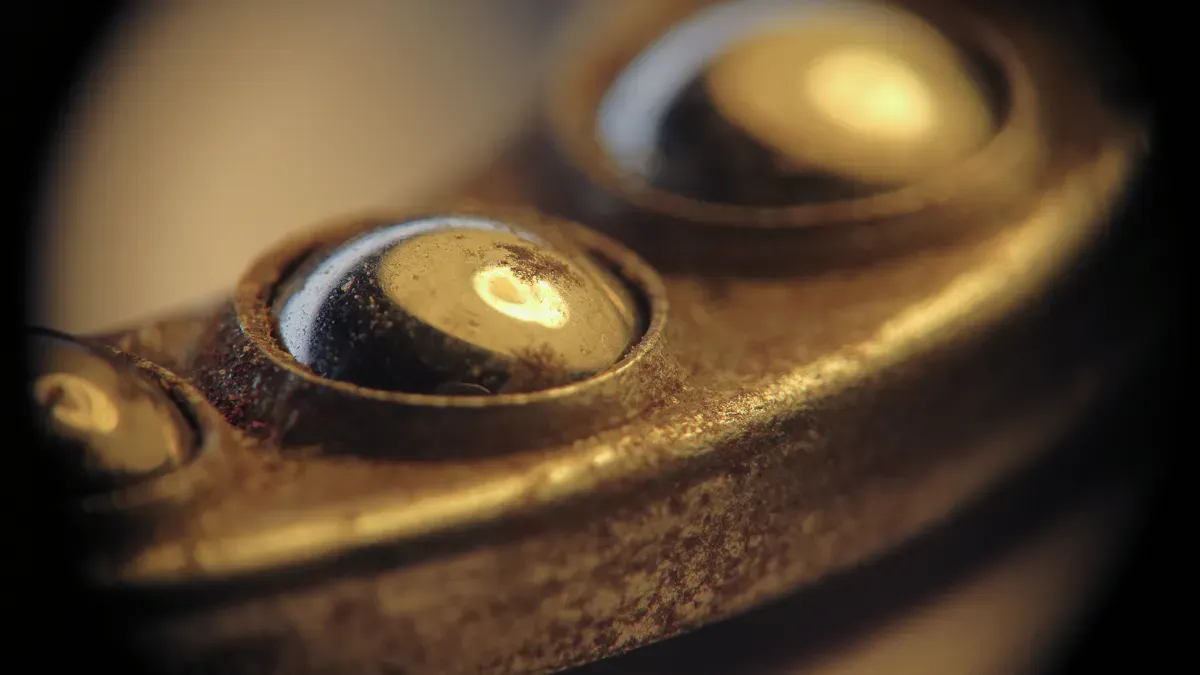
You rely on Spherical Roller Bearing technology to solve misalignment problems in heavy machinery. The 23960 CC/W33 bearing uses a double-row design with a spherical raceway. This structure lets the bearing adjust automatically when the shaft and housing are not perfectly aligned. You can count on this bearing to handle both static and dynamic misalignment, up to 3 degrees, without losing performance.
You avoid extra friction because the bearing self-aligns under changing loads.
The bearing keeps operating temperatures low, which extends its service life.
You benefit from stable operation, even in high-speed applications.
Note: Self-aligning bearings help you reduce maintenance and downtime. You do not need to worry about mounting errors or shaft deflection.
The double-row design of the 23960 CC/W33 bearing improves performance in tough environments. Here is a quick look at how this design works for you:
Feature | Description |
Self-aligning capabilities | The bearing handles misalignment between shaft and housing effectively. |
Load distribution | The design spreads loads evenly, reducing stress on rollers. |
Bearing life | You get longer bearing life, even with high radial and axial loads. |
Load Capacity and Durability
You need a bearing that can handle heavy loads and last a long time. Spherical Roller Bearing models like the 23960 CC/W33 give you higher load capacity than ball bearings. You can use them for significant radial loads and bidirectional axial loads at the same time. This makes them ideal for heavy machinery.
You get reliable performance in mining equipment, steel mills, and power generation systems.
The bearing resists shock and vibration, so you avoid sudden failures.
You can operate your machinery in temperatures from -30°C to 200°C without performance loss.
The CC pressed steel cage reduces friction. You see less heat and more stable operation. The W33 relubrication design lets you maintain the bearing easily. You keep the bearing lubricated with simple grease replenishment, which extends its life.
Tip: Regular lubrication helps you prevent wear and keeps your equipment running smoothly.
You receive bearings that meet international quality standards. E-Asia Bearing uses strict manufacturing protocols, including raw material testing, precision forging, and automated assembly. Every bearing passes noise, vibration, and torque tests before shipment. You get anti-corrosion packaging and clear labeling for easy tracking.
Spherical Roller Bearing technology gives you the features you need for reliable, durable, and efficient heavy machinery operation.
Operation in Heavy Machinery
Misalignment Compensation
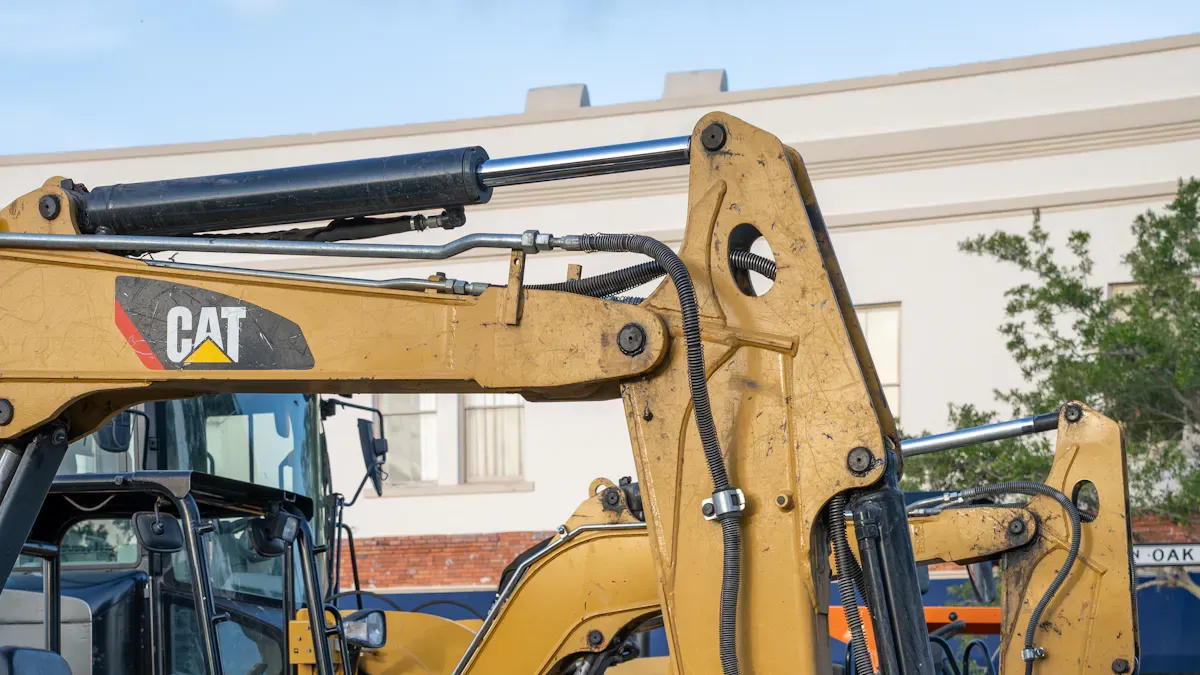
You see misalignment often in heavy machinery. Spherical roller bearings help you solve this problem with their unique design. The outer ring has a spherical raceway. The inner ring pivots and adjusts its position. This pivoting lets the bearing handle angular misalignments. You keep loads evenly spread across the rollers. This reduces stress and wear on your equipment.
When your shaft shifts or deflects, the bearing responds in real time. You do not need to worry about mounting errors or foundation changes. The bearing self-aligns under load. You avoid edge-loading, which can cause damage. The spherical geometry allows for slight misalignments without raising friction or heat.
Here is how the self-alignment process works step by step:
The shaft moves or deflects during operation.
The inner ring pivots inside the spherical raceway of the outer ring.
The bearing adjusts automatically, keeping the rollers in proper contact.
Loads stay evenly distributed, preventing stress on the bearing and surrounding parts.
Lubrication flows through the oil bath and grooves, protecting the bearing from wear.
Tip: You extend the life of your machinery by using bearings that self-align and maintain proper lubrication.
You rely on Spherical Roller Bearing technology in environments with heavy loads and shock. The design manages misalignment caused by shaft deflection or mounting errors. You see longer machinery life and fewer breakdowns.
Real-World Applications
You use spherical roller bearings in many types of heavy machinery. These bearings help you keep your equipment running smoothly, even when facing tough conditions. You find them in mining, construction, agriculture, and industrial settings.
Application Area | Description |
Mining | Used in equipment like crushers and conveyors, handling heavy loads and shocks. |
Construction | Essential for machinery that requires high load capacity and misalignment compensation. |
Agriculture | Found in agricultural equipment, ensuring smooth operation under heavy conditions. |
You see these bearings in crushers, vibrating screens, and conveyors. You also use them in gearboxes and steel mills. In power generation, they help you keep turbines and generators reliable.
You notice several benefits when you use spherical roller bearings in these applications:
You accommodate angular misalignment, which is ideal for unstable foundations.
You support high radial and moderate axial loads, perfect for heavy-duty machines.
You resist impacts and continuous vibrations in mining and steel mills.
You reduce downtime and maintenance costs, even in harsh environments.
Note: Many plants have doubled the service life of their equipment after upgrading to these bearings. You spend less on replacements and avoid unexpected shutdowns.
You improve operational reliability and efficiency by choosing spherical roller bearings for your heavy machinery. You protect your investment and keep your machines working longer.
Bearing Comparison
Spherical vs. Cylindrical Bearings
You often choose between spherical and cylindrical roller bearings for heavy machinery. Each type handles misalignment and loads differently. Spherical Roller Bearing technology lets you compensate for shaft misalignment, which is common in industrial settings. Cylindrical roller bearings require precise alignment and cannot handle significant misalignment. You see the difference clearly in the table below:
Bearing Type | Misalignment Handling |
Spherical Roller Bearings | Can compensate for shaft misalignment, ideal for deflection conditions. |
Cylindrical Roller Bearings | Require precise alignment, cannot accommodate significant misalignment. |
You also notice differences in load capacity and durability. Spherical roller bearings support both radial and axial loads. They resist shock and vibration, making them reliable in tough environments. Cylindrical roller bearings mainly handle radial loads and work best when alignment is perfect.
Bearing Type | Load Capacity Type | Durability in Heavy-Duty Applications | Alignment Requirements |
Spherical Roller Bearings | Radial and Axial Loads | High (shock and vibration resistant) | Can accommodate misalignment |
Cylindrical Roller Bearings | Primarily Radial Loads | Moderate (less effective in high-shock environments) | Requires precise alignment |
Practical Benefits
You gain several practical benefits when you use spherical roller bearings in heavy machinery. Maintenance becomes easier and downtime drops. You can lubricate these bearings with grease or oil. Regular inspection helps you prevent premature failure. You do not need to remove the shaft during repairs, which saves time and reduces disruptions.
Split spherical roller bearings cut installation time by over 80%.
You avoid shaft removal, which often causes long downtime.
Maintenance teams reach bearings in hard-to-access areas quickly.
You minimize operational disruptions and keep production steady.
You also see cost savings. A large cement producer reduced unplanned downtime by sixty percent after switching to spherical roller bearings. Mill throughput increased by twelve percent. This improvement led to millions in extra annual revenue.
You protect your investment and boost efficiency by choosing bearings that handle misalignment and heavy loads.
You gain many advantages when you choose Spherical Roller Bearing technology for heavy machinery. These bearings adjust to misalignment, which protects your equipment from early failure. You see longer service life and fewer replacements. Their strong design handles high loads and harsh conditions. You spend less time on maintenance and avoid costly downtime. For machines that face frequent misalignment, you should consider this solution to improve reliability and lower total costs.
FAQ
What makes spherical roller bearings ideal for heavy machinery?
You get strong self-aligning capability and high load support. These bearings handle both radial and axial loads. You avoid early failures caused by shaft misalignment. You see reliable performance in tough environments.
How often should you lubricate spherical roller bearings?
You should check lubrication every few weeks. Use the W33 relubrication feature for easy maintenance. Regular grease replenishment keeps your bearing running smoothly and extends its service life.
Can spherical roller bearings handle high temperatures?
You can use these bearings in temperatures from -30°C to 200°C. They work well in outdoor and high-heat environments. Special lubricants help you operate outside this range.
Where do you use spherical roller bearings in industry?
You find these bearings in mining equipment, steel mills, gearboxes, and power generation systems. They support heavy loads and resist shock and vibration. You see longer machine life and fewer breakdowns.

 English


