Executive Summary
Vibration in printing machinery poses significant challenges to print quality, equipment longevity, and operational efficiency. This comprehensive guide explores how Angular Contact Bearings serve as critical components in minimizing vibration and enhancing printing machine performance. From understanding the fundamental causes of vibration to implementing advanced bearing solutions, manufacturers and operators will discover proven strategies to optimize their printing operations.
Modern printing machines demand precision, speed, and reliability. Whether operating sheet-fed offset presses, web-fed printing systems, or digital printing equipment, vibration control remains essential for achieving superior print quality. Angular Contact Bearing for Printing Machine applications have evolved significantly, offering advanced solutions for reducing unwanted movement and maintaining dimensional accuracy.
Understanding Vibration in Printing Machines
Primary Causes of Printing Machine Vibration
Vibration in printing equipment stems from multiple sources that can compromise output quality and accelerate component wear. Understanding these causes enables operators to implement targeted solutions using appropriate bearing technologies.
Mechanical Movement and Inertia: Printing machines contain numerous rotating components including cylinders, rollers, and drive shafts that generate vibration through rapid directional changes. When heavy components accelerate or decelerate quickly, inertial forces create unwanted oscillations throughout the machine frame.
Bearing Misalignment: Improperly aligned bearings introduce eccentric loading that produces vibration patterns. Even slight misalignment of critical cylinder bearings can result in noticeable print defects and increased wear on adjacent components.
Component Imbalance: Unbalanced cylinders, rollers, or drive components create centrifugal forces that intensify as rotational speeds increase. This imbalance manifests as periodic vibration that can resonate through the entire machine structure.
Loose Mechanical Connections: Over time, fasteners and mounting hardware can loosen due to constant vibration, creating additional play in the system. This looseness amplifies existing vibration problems and can lead to cascading failures.
Impact of Vibration on Print Quality
Vibration directly affects print precision through multiple mechanisms. Cylinder alignment becomes compromised when bearings allow excessive movement, resulting in registration errors where multiple colors fail to align properly. Surface finish quality degrades as print heads oscillate during operation, creating visible artifacts such as ghosting, ringing, or rippling patterns on printed materials.
Reduced vibration in modern printing presses without bearer rings has become an important consideration for maintaining high print quality. The cumulative effect of vibration reduces dimensional accuracy, increases waste rates, and necessitates frequent recalibration of printing equipment.
Angular Contact Bearing Fundamentals for Printing Applications
What Makes Angular Contact Bearings Ideal for Printing Machines
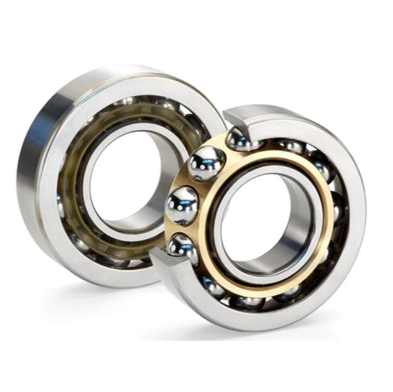
Angular Contact Bearing manufacturers design these components specifically to handle combined radial and axial loads simultaneously—a critical requirement for printing machine cylinders. Unlike standard ball bearings, angular contact bearings feature a contact angle typically ranging from 15° to 40°, enabling superior load distribution and rigidity.
Superior Load Capacity: The angled contact design allows these bearings to support substantial axial forces while maintaining radial load capacity. This dual-load capability proves essential in printing cylinders where forces act in multiple directions during operation.
Enhanced Rigidity: Angular contact bearings can handle higher axial loads compared to radial bearings, thanks to the angle of contact, which helps in applications requiring tight tolerance. This rigidity minimizes deflection under load, maintaining precise cylinder positioning critical for high-quality printing.
Precision Performance: Manufacturing tolerances for high-speed angular contact bearings typically meet ISO P4 or P2 precision grades, ensuring smooth operation with minimal runout. This precision directly translates to improved print registration and surface quality.
Types of Angular Contact Bearings for Printing Machines
| Bearing Type | Configuration | Key Advantages | Typical Applications |
| Single-Row Angular Contact | Single contact point per row | High speed capability, lower friction | Light-duty printing cylinders, auxiliary rollers |
| Double Row Angular Contact Bearing | Two rows of contact points | Increased rigidity, compact design | Main impression cylinders, blanket cylinders |
| Back-to-Back Arrangement | Two bearings facing outward | Maximum rigidity, axial load in both directions | Plate cylinders, transfer cylinders |
| Face-to-Face Arrangement | Two bearings facing inward | Space-efficient, good moment resistance | Compact cylinder assemblies |
| Tandem Arrangement | Two bearings facing same direction | Very high unidirectional axial capacity | High-speed web printing rollers |
Heavy-duty angular contact bearings incorporate specialized features including reinforced cages, premium steel alloys, and advanced seal designs to withstand the demanding conditions of industrial printing environments.
How Angular Contact Bearings Reduce Vibration
Preload Optimization for Vibration Control
Bearing preload represents one of the most effective methods for minimizing vibration in printing machine assemblies. Preloading not only increases moment capacity but also enables adaptation to high-speed rotation, improves positioning accuracy and rotational precision, and suppresses vibration and abnormal noise.
Light Preload: Suitable for high-speed applications where minimal friction is prioritized. Light preload reduces bearing temperature while providing basic vibration dampening.
Medium Preload: The most common setting for printing machines, medium preload balances rigidity, speed capability, and vibration suppression. This setting works well for most cylinder bearing applications.
Heavy Preload: Reserved for applications requiring maximum rigidity and vibration control at the expense of speed capability and increased friction. Heavy preload excels in precision printing operations where dimensional accuracy is paramount.
Contact Angle Selection for Optimal Performance
The contact angle significantly influences a bearing's ability to manage different load types and control vibration:
15° Contact Angle: Optimized for ultra-high-speed applications with predominantly radial loads. These bearings minimize friction and heat generation while providing adequate vibration control.
25° Contact Angle: Balanced design suitable for combined loading conditions common in printing cylinders. This angle provides excellent stiffness while maintaining good high-speed characteristics.
30° Contact Angle: Increased axial load capacity with enhanced rigidity for applications requiring superior vibration dampening and precise positioning.
40° Contact Angle: Maximum axial load support for heavy-duty printing applications where vibration control takes precedence over speed capability.
Installation Best Practices for Vibration Reduction
Precision Mounting Techniques
Proper installation of Angular Contact Bearings directly impacts their vibration reduction performance. Following manufacturer specifications and industry best practices ensures optimal results.
Surface Preparation: Bearing seats must be machined to precise tolerances with appropriate surface finishes. Rough or damaged mounting surfaces introduce irregularities that translate into vibration during operation.
Temperature Control: Heating inner rings for installation onto shafts ensures interference fits without excessive force. Thermal expansion allows smooth mounting while preventing bearing damage that could cause future vibration issues.
Alignment Verification: Use precision measurement tools to verify shaft and housing alignment within specified tolerances. Misalignment forces bearings to operate under skewed loading conditions that generate vibration.
Achieving Proper Bearing Clearance
Angular Contact Bearing for Printing Machine installations require careful attention to clearance settings. Zero or negative clearance (preload) proves essential for vibration control, but must be achieved without creating excessive internal stress.
Spacer Selection: Precision-ground spacers between bearing rings allow fine adjustment of preload. Spacer thickness determines the exact preload value, making selection critical for achieving optimal performance.
Lock Nut Torque: When using threaded lock nuts for bearing retention, proper torque values ensure adequate preload without over-stressing bearing components. Follow manufacturer torque specifications precisely.
Measurement Verification: After installation, measure bearing preload using appropriate methods such as torque measurement or axial displacement under load. Verification confirms that actual preload matches design specifications.
Specialized Angular Contact Bearing Solutions
High-Speed Applications
High-speed angular contact bearings incorporate advanced features enabling operation at rotational speeds that would cause conventional bearings to fail. These specialized designs address the unique challenges of modern high-speed printing equipment.
The maximum speed of steel ball rollers can range from 15,000 RPM to 30,000 RPM, while ceramic ball bearings can achieve speeds of 40,000 RPM or even higher. Hybrid ceramic bearings combine ceramic rolling elements with steel rings, offering reduced centrifugal forces, lower friction, and enhanced thermal stability.
Cage Design Innovations: Advanced cage materials and geometries minimize friction while maintaining ball spacing at high speeds. Polyamide resin and phenolic resin cages provide excellent wear resistance and lubrication retention.
Lubrication Systems: High-speed applications often utilize oil-mist or oil-air lubrication systems that deliver precise lubricant quantities while removing heat. These systems prevent lubricant starvation that could cause vibration and premature failure.
High-Temperature Environments
High-temperature angular contact bearings serve printing machines operating in elevated temperature conditions such as dryers or heat-set sections. These bearings incorporate special materials and lubricants capable of maintaining performance at temperatures exceeding 150°C.
Special Steels: High-temperature bearing steels maintain dimensional stability and hardness at elevated temperatures. These alloys resist softening that would allow increased clearances and vibration.
Synthetic Lubricants: High-temperature greases based on polyurea or perfluoropolyether formulations maintain lubrication effectiveness where conventional greases would carbonize or evaporate.
Corrosive Environments
Stainless steel angular contact bearings provide solutions for printing machines exposed to moisture, chemicals, or cleaning agents. Stainless construction prevents corrosion-related surface degradation that introduces vibration and reduces bearing life.
Martensitic stainless steels offer excellent corrosion resistance while maintaining the hardness necessary for bearing applications. Ceramic balls paired with stainless steel rings further enhance corrosion resistance and reduce density for improved high-speed performance.
Maintenance Strategies for Sustained Vibration Control
Lubrication Management
Proper lubrication remains fundamental to maintaining low vibration levels throughout bearing service life. Lubrication is crucial for smooth operation of bearings, and it's essential to ensure the correct type and amount of lubricant are used.
Grease Selection: Choose greases specifically formulated for precision bearings operating at relevant speeds and temperatures. Lithium complex, polyurea, or synthetic hydrocarbon base greases each offer distinct advantages for different operating conditions.
Relubrication Intervals: Establish relubrication schedules based on operating conditions rather than arbitrary time intervals. Speed, temperature, and contamination exposure all influence optimal relubrication frequency.
Oil Lubrication: For high-speed or high-temperature applications, circulating oil systems provide superior cooling and continuous lubricant supply. Oil lubrication enables higher speeds with lower operating temperatures compared to grease.
Condition Monitoring
Implementing proactive monitoring programs detects developing issues before they escalate into vibration problems or bearing failures.
Vibration Analysis: Regular vibration measurements using accelerometers identify changes in bearing condition. Increased vibration amplitude or frequency shifts indicate developing problems requiring attention.
Temperature Monitoring: Bearing temperature provides early warning of lubrication issues, excessive loading, or developing defects. Establish baseline temperatures and investigate deviations.
Acoustic Monitoring: Ultrasonic detection identifies changes in bearing sound signature before vibration becomes noticeable. This technique proves especially effective for detecting early-stage bearing damage.
Inspection and Replacement Guidelines
Visual Inspection: Periodic examination of accessible bearing components reveals signs of wear, contamination, or damage. Look for discoloration, surface pitting, or cage wear during scheduled maintenance.
Operational Limits: Bearings for sheet-fed offset printing machines are typically designed for an operating life of at least 200 million printed paper sheets. Track actual operating hours or production volumes against rated bearing life.
Replacement Criteria: Replace bearings showing signs of increased vibration, temperature, or noise even if calculated life expectancy has not been reached. Continuing to operate degraded bearings risks secondary damage to adjacent components.
Case Studies: Vibration Reduction in Different Printing Segments
Sheet-Fed Offset Printing
Sheet-fed offset presses require exceptional precision as individual sheets pass through multiple printing stations. Double row angular contact bearings in cylinder assemblies provide the rigidity necessary for maintaining tight registration tolerances.
One commercial printing operation reduced registration errors by 40% after upgrading to precision-ground Angular Contact Bearings with optimized preload settings. The improved vibration control extended bearing life by 25% while simultaneously improving first-pass quality rates.
Web-Fed Printing Systems
Web-fed presses operate at higher speeds than sheet-fed equipment, placing greater demands on bearing performance. High-speed angular contact bearings with ceramic balls enabled one newspaper printer to increase press speed by 15% while reducing vibration-related web breaks.
The combination of reduced bearing mass and improved lubrication systems decreased operating temperatures by 12°C, further enhancing reliability during extended production runs.
Digital and Wide-Format Printing
Modern digital printing systems utilize precision-guided carriages and rotating drums where vibration directly impacts image quality. Implementation of Angular Contact Bearing technology in carriage systems reduced banding artifacts and improved color registration consistency across large-format prints.
Future Trends in Bearing Technology for Printing
Smart Bearing Integration
Advanced bearings now incorporate sensors monitoring temperature, vibration, and load conditions in real-time. Smart bearings can monitor their own condition, providing real-time data on temperature, vibration, and other critical parameters for predictive maintenance.
This technology enables condition-based maintenance strategies that optimize bearing replacement timing while preventing unexpected failures. Integration with machine control systems allows automatic adjustment of operating parameters based on bearing condition.
Advanced Materials and Coatings
Development of new bearing materials and surface treatments continues advancing vibration control capabilities. Silicon nitride ceramic balls offer 60% lower density than steel while providing superior stiffness and thermal properties.
Diamond-like carbon coatings applied to bearing surfaces reduce friction and wear while improving vibration characteristics. These coatings prove especially beneficial in marginally lubricated or high-contamination environments.
Sustainable Manufacturing
Environmental considerations drive innovation in bearing design and manufacturing. Extended-life bearings reduce replacement frequency and associated waste. Biodegradable lubricants maintain performance while minimizing environmental impact when equipment undergoes cleaning or maintenance.
Comprehensive Troubleshooting Guide
Common Vibration Issues and Solutions
Problem: Excessive vibration at specific speeds
Cause: Resonance frequencies coinciding with operating speed
Solution: Adjust operating speed, modify mounting stiffness, or implement damping materials
Problem: Increasing vibration over time
Cause: Progressive bearing wear or lubrication degradation
Solution: Increase monitoring frequency, analyze lubricant condition, schedule bearing replacement
Problem: High-frequency vibration or noise
Problem: Vibration accompanied by temperature increase
Cause: Inadequate lubrication or excessive preload
Solution: Verify lubricant quantity and quality, check preload settings
Frequently Asked Questions (FAQ)
1. What is the primary advantage of angular contact bearings over standard ball bearings in printing machines?
Angular Contact Bearings offer superior combined load capacity and rigidity compared to standard ball bearings. Their angled contact design enables simultaneous support of radial and axial forces while minimizing deflection. This rigidity directly translates to reduced vibration and improved print registration accuracy. Additionally, angular contact bearings can be preloaded to eliminate internal clearances, further enhancing vibration control—a capability standard ball bearings cannot match.
2. How often should angular contact bearings in printing cylinders be replaced?
Replacement timing depends on operating conditions and bearing type rather than arbitrary time intervals. Monitor vibration levels, temperature, and noise characteristics to assess bearing condition. Generally, bearings should be replaced when vibration increases beyond acceptable limits or after reaching calculated L10 life (typically 200 million sheets for sheet-fed applications). Implementing condition-based monitoring allows optimized replacement timing that maximizes bearing life while preventing unexpected failures.
3. Can existing printing machines be retrofitted with angular contact bearings to reduce vibration?
Yes, many printing machines can benefit from bearing upgrades. However, successful retrofitting requires careful engineering to ensure proper fit, adequate mounting provisions, and appropriate preload mechanisms. Work with bearing manufacturers and machine specialists to develop retrofit solutions that address specific vibration issues. The investment typically pays dividends through improved print quality, reduced maintenance costs, and extended machine life.
4. Can bearing selection alone solve all printing machine vibration problems?
While proper bearing selection and installation significantly impact vibration levels, comprehensive vibration control requires a systems approach. Machine frame rigidity, foundation stability, drive system balance, and proper alignment all contribute to overall vibration characteristics. Angular Contact Bearing manufacturers can provide excellent components, but achieving optimal results requires addressing all vibration sources. Work with equipment specialists to develop integrated solutions combining appropriate bearing technology with machine optimization.
5. What are the signs that bearing vibration is affecting print quality?
Several indicators suggest bearing-related vibration impacts print quality. Registration errors where multiple colors fail to align properly often stem from cylinder position instability caused by excessive bearing clearances. Repeating patterns or "ghosting" in printed images indicate periodic vibration disturbances. Inconsistent ink density or color variation across the print width suggests cylinder oscillation due to inadequate bearing support. If print quality issues correlate with bearing condition (temperature, noise, vibration measurements), bearing replacement likely improves output quality.
Conclusion
Vibration control represents a critical factor in printing machine performance, directly impacting print quality, equipment longevity, and operational efficiency. Angular Contact Bearings provide proven solutions for minimizing vibration through their unique combination of high rigidity, precision manufacturing, and ability to handle combined loads.
Successful implementation requires careful attention to bearing selection, proper installation techniques, and consistent maintenance practices. By understanding the relationship between bearing characteristics and vibration control, printing professionals can optimize their equipment for superior performance.
Whether operating conventional offset presses or modern digital printing systems, investing in appropriate bearing technology pays dividends through reduced downtime, improved print quality, and lower total cost of ownership. As printing technology continues advancing, bearing innovations will play an increasingly important role in meeting ever-more-demanding performance requirements.
For expert guidance on selecting the optimal Angular Contact Bearing for Printing Machine applications, consult with specialized bearing manufacturers who understand the unique demands of the printing industry. Their technical expertise ensures your equipment operates at peak efficiency while delivering consistent, high-quality results.
About LOC Bearing: LOC Bearing specializes in manufacturing high-precision Angular Contact Bearings for demanding industrial applications including printing machinery. With expertise in Ball Bearings and comprehensive bearing solutions, LOC Bearing serves diverse industries worldwide with products engineered for performance, reliability, and longevity.

 English


