Cylindrical Roller Bearings help you reduce friction between moving parts and support heavy radial loads. You will find that these bearings use cylinders instead of balls to separate the inner and outer rings. As the rollers move, they spread the load evenly and allow smooth rotation. This design lets you handle high speeds and heavy weights with less effort.
Key Takeaways
Cylindrical Roller Bearings reduce friction and support heavy loads, making machines run smoother and last longer.
These bearings use cylindrical rollers instead of balls, allowing for better load distribution and lower energy waste.
Choose the right type of cylindrical roller bearing based on your machine's load direction and speed requirements for optimal performance.
Regular maintenance, including cleaning and lubrication, is essential to extend the life of cylindrical roller bearings.
You can find these bearings in various applications, from industrial machinery to automotive parts, ensuring reliable operation.
Cylindrical Roller Bearings: Definition & Features
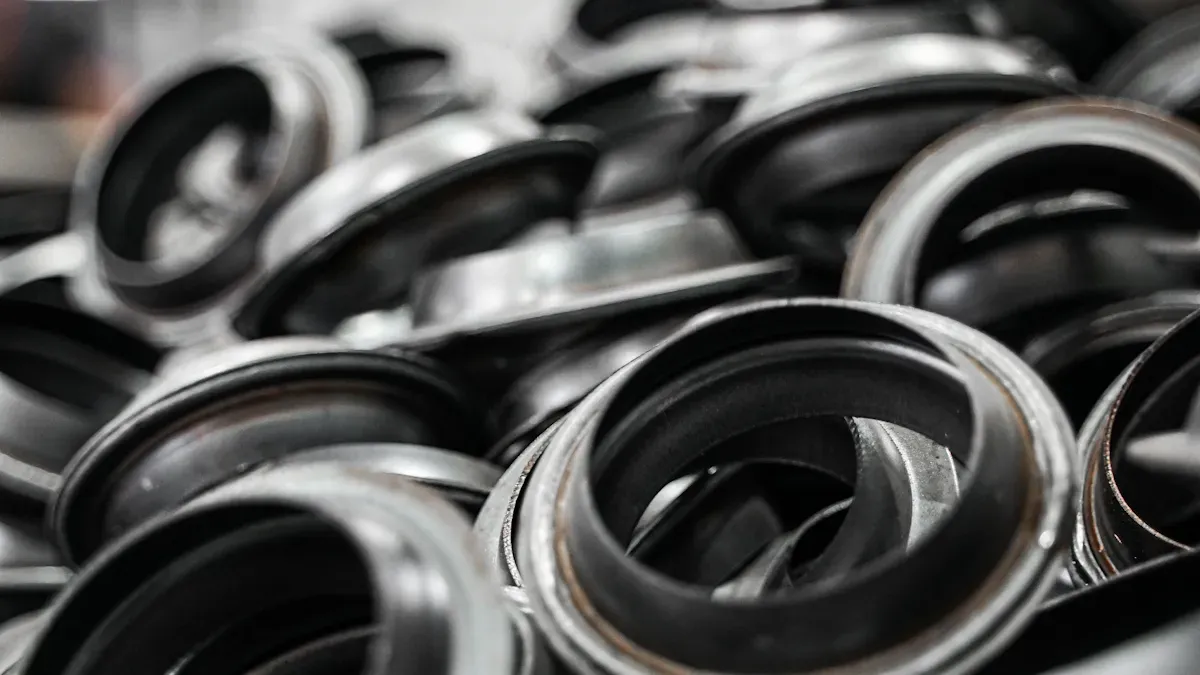
Core Components
You can break down Cylindrical Roller Bearings into several main parts. Each part plays a key role in how the bearing works.
Inner Ring: This ring sits at the center. You mount it on the shaft. The inner ring guides the rollers as they move.
Outer Ring: The outer ring surrounds the rollers. You place it inside the housing. It keeps the rollers in place and helps support the load.
Cylindrical Rollers: These rollers look like small cylinders. They roll between the inner and outer rings. The rollers spread the load and reduce friction.
Cage: The cage holds the rollers in position. It keeps them evenly spaced. The cage helps prevent the rollers from touching each other.
Tip: If you want your bearing to last longer, make sure all these parts stay clean and free from debris.
Distinguishing Characteristics
Cylindrical Roller Bearings stand out because of their unique features. You will notice these bearings have several advantages over other types.
The rollers have a straight shape. This design lets you handle heavy radial loads with ease.
You can use these bearings in high-speed applications. The rollers move smoothly and reduce friction.
The bearing can support large weights. You find them in machines that need to carry heavy loads.
Some designs allow for slight misalignment. This feature helps you when the shaft does not line up perfectly.
Feature | Benefit |
Straight rollers | Handles heavy radial loads |
High-speed capability | Reduces friction |
Large load support | Used in heavy machinery |
Misalignment tolerance | Flexible installation |
You can rely on Cylindrical Roller Bearings for tough jobs. Their design gives you strength, speed, and reliability.
Working Principle
How Rollers Reduce Friction
You see friction when two surfaces rub against each other. Friction slows movement and causes wear. Cylindrical Roller Bearings use rollers shaped like cylinders. These rollers roll instead of slide. Rolling creates less friction than sliding. You get smoother movement and less heat.
Imagine pushing a box across the floor. If you place round pipes under the box, the box moves easier. The pipes act like rollers. Cylindrical Roller Bearings work in a similar way. The rollers move between the inner and outer rings. They carry the load and let parts spin with less effort.
Note: Less friction means less energy wasted. Machines run cooler and last longer.
You can see the benefits in many machines. The rollers keep parts moving smoothly. They help you avoid damage from friction. You save money on repairs and downtime.
Load Handling (Radial & Axial)
Cylindrical Roller Bearings handle loads in two main directions. You call these radial and axial loads.
Radial Load: This load pushes toward the center of the bearing. You find radial loads in wheels, motors, and pulleys. Cylindrical Roller Bearings support heavy radial loads. The straight rollers spread the force across a wide area.
Axial Load: This load pushes along the axis of the bearing. Axial loads try to move the bearing sideways. Some designs handle small axial loads. Most standard Cylindrical Roller Bearings focus on radial loads.
Load Type | Direction | Bearing Strength |
Radial | Toward center | Very strong |
Axial | Along shaft | Limited (varies) |
You need to choose the right bearing for your machine. If your machine faces mostly radial loads, Cylindrical Roller Bearings give you strong support. If you need to handle more axial force, you may need a special design.
Tip: Always check the load direction before you select a bearing. The right choice keeps your equipment safe and efficient.
Cylindrical Roller Bearings: Types
You can choose from several types of cylindrical roller bearings. Each type works best for certain jobs. Let’s look at the main types you might use.
Single Row
Single row bearings use one row of rollers. You often pick this type for machines that need to handle heavy radial loads but do not need to support much axial force. These bearings fit well in gearboxes, electric motors, and pumps.
Simple design makes them easy to install.
You get high speed and low friction.
They work best when you need to support loads that push toward the center.
Tip: If you want a bearing for high-speed use, single row bearings give you smooth and steady motion.
Double Row
Double row bearings have two rows of rollers. You use these when you need to carry even heavier radial loads. They also offer better stability than single row types.
Two rows mean more strength and support.
You can use them in large machines like rolling mills or heavy-duty gearboxes.
They help reduce shaft bending.
Type | Rows of Rollers | Load Capacity | Common Use |
Single Row | 1 | High | Motors, pumps |
Double Row | 2 | Very High | Rolling mills, gearboxes |
Full Complement
Full complement bearings do not use a cage. Instead, they fill the space with as many rollers as possible. You get the highest load capacity with this type.
No cage means more rollers fit inside.
You use these when you need to support very heavy loads at low or moderate speeds.
They work well in construction equipment and presses.
Note: Full complement bearings may not run as fast as caged types, but they handle more weight.
Specialized Types
Some jobs need special features. You can find cylindrical roller bearings made for unique needs.
Sealed bearings keep out dirt and moisture.
Split bearings make installation and removal easier, especially on long shafts.
High-precision types help in machines that need exact movement.
You can match the right type to your machine. Cylindrical Roller Bearings give you many choices for different tasks.
Advantages & Limitations
Benefits
You gain several important benefits when you use Cylindrical Roller Bearings in your machines. These bearings help you handle heavy loads with ease. The straight rollers spread the force across a wide area. This design gives you strong support and reduces wear. You notice that these bearings resist fatigue, so they last longer even under tough conditions.
You also find that some types allow for slight misalignment. This feature helps you when the shaft does not line up perfectly. You can install these bearings in machines that run at high speeds. The rollers move smoothly and keep friction low. You save energy and reduce heat. Many industries rely on these bearings because they offer strength, speed, and reliability.
Note: You can trust these bearings to keep your equipment running smoothly and safely.
Benefit | How It Helps You |
Heavy load capacity | Supports large weights |
Resistance to fatigue | Lasts longer |
Misalignment tolerance | Flexible installation |
High-speed capability | Reduces friction |
Limitations
You need to know the limits of these bearings before you choose them for your project. Most Cylindrical Roller Bearings focus on radial loads. They do not handle axial loads well unless you pick a special design. If your machine needs to support force along the shaft, you may need another type.
You also see that movement direction matters. These bearings work best when the load pushes toward the center. They may not perform well if the force changes direction often. Some types run at lower speeds if you fill them with more rollers. You must check the bearing type and match it to your needs.
Tip: Always check the load direction and speed requirements before you select a bearing.
Limitation | What You Should Consider |
Axial load handling | Limited in standard types |
Movement direction | Works best with radial loads |
Speed | May decrease with more rollers |
Applications
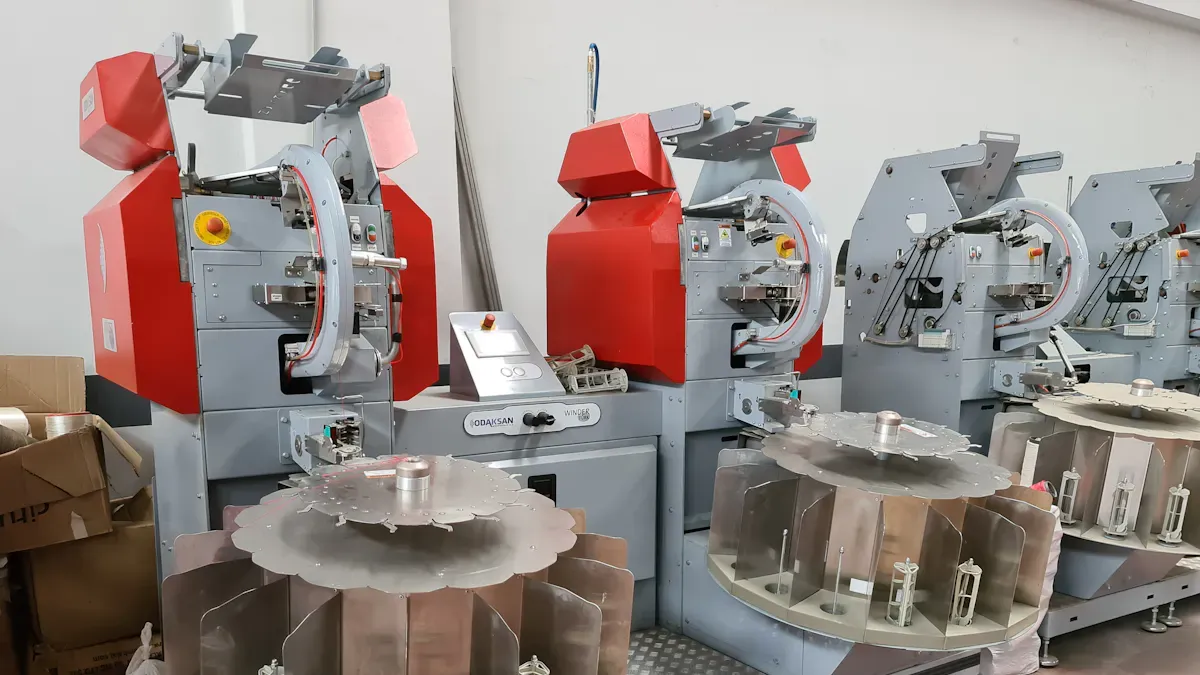
Industrial Machinery
You often find cylindrical roller bearings in heavy industrial machines. These machines include conveyor belts, gearboxes, and rolling mills. The bearings help you move large loads with less effort. You can trust them to keep machines running smoothly in factories. The straight rollers inside the bearings spread the weight evenly. This design helps you avoid damage from heavy use. You also get less friction, so machines last longer and need fewer repairs.
Tip: When you choose bearings for industrial equipment, look for ones that handle high speeds and heavy weights. Cylindrical roller bearings give you both.
Automotive
You see these bearings in many parts of cars and trucks. They work inside transmissions, axles, and differentials. The bearings help you drive smoothly by supporting the moving parts. They also help reduce noise and heat in the vehicle. You get better fuel efficiency because the bearings lower friction. Mechanics use them because they can handle strong forces from the engine and wheels.
Transmissions use these bearings for smooth gear changes.
Axles rely on them for steady rotation.
Differentials need them to balance power between wheels.
Other Uses
You can use cylindrical roller bearings in many other places. Wind turbines need them to support the main shaft. Electric motors use them for quiet and steady spinning. You also find them in pumps, compressors, and even some home appliances. The bearings help you get reliable performance in each case.
Application Area | Why Use These Bearings? |
Wind turbines | Support heavy, rotating shafts |
Electric motors | Reduce noise and wear |
Pumps and compressors | Handle high loads and speeds |
Note: You should pick cylindrical roller bearings when you need strength, speed, and long life in your equipment.
You learned that Cylindrical Roller Bearings help machines move smoothly and carry heavy loads.
You saw how the rollers reduce friction and spread force, making equipment last longer.
You can find these bearings in many machines, from cars to wind turbines.
Next time you use a device, remember that these bearings keep everything running with less effort.
FAQ
What is the main difference between cylindrical roller bearings and ball bearings?
You will see that cylindrical roller bearings use rollers shaped like cylinders. Ball bearings use balls. Rollers handle heavier loads. Balls work better for lighter loads and higher speeds.
Can you use cylindrical roller bearings for both radial and axial loads?
You can use them mainly for radial loads. Some special designs handle small axial loads. Always check your machine’s needs before choosing.
How do you maintain cylindrical roller bearings?
You should keep them clean and well-lubricated. Remove dirt and debris. Check for signs of wear. Replace damaged parts quickly.
Where do you find cylindrical roller bearings in daily life?
You find them in cars, electric motors, wind turbines, and factory machines. They help these machines run smoothly and last longer.
What happens if you use the wrong type of bearing?
You may see more wear, noise, or even machine failure. Always match the bearing type to your load and speed needs.

 English


