+86-15996058266
Home / Products / Loctite Adhesive / Rubber-Toughened Rapid-Bonding Instant Adhesive

Product Catalog

loading

Share to:
facebook sharing button
twitter sharing button
line sharing button
wechat sharing button
linkedin sharing button
pinterest sharing button
whatsapp sharing button
sharethis sharing button

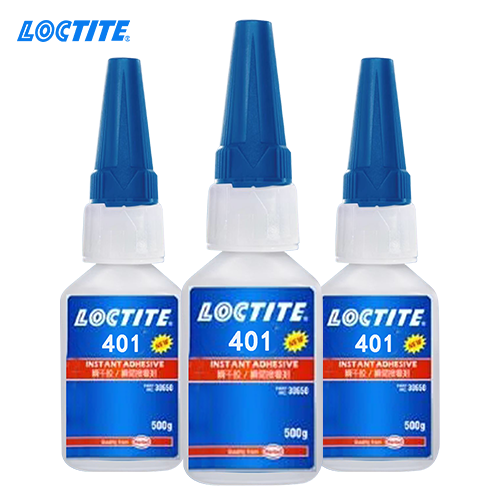
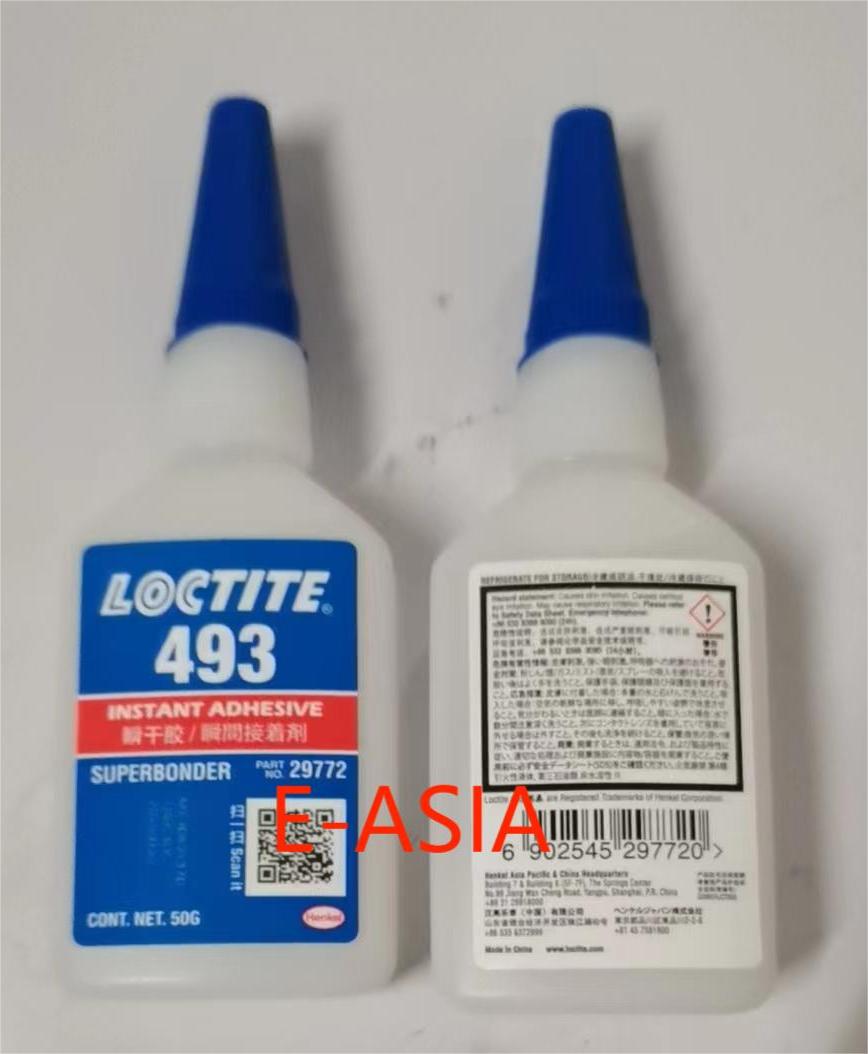
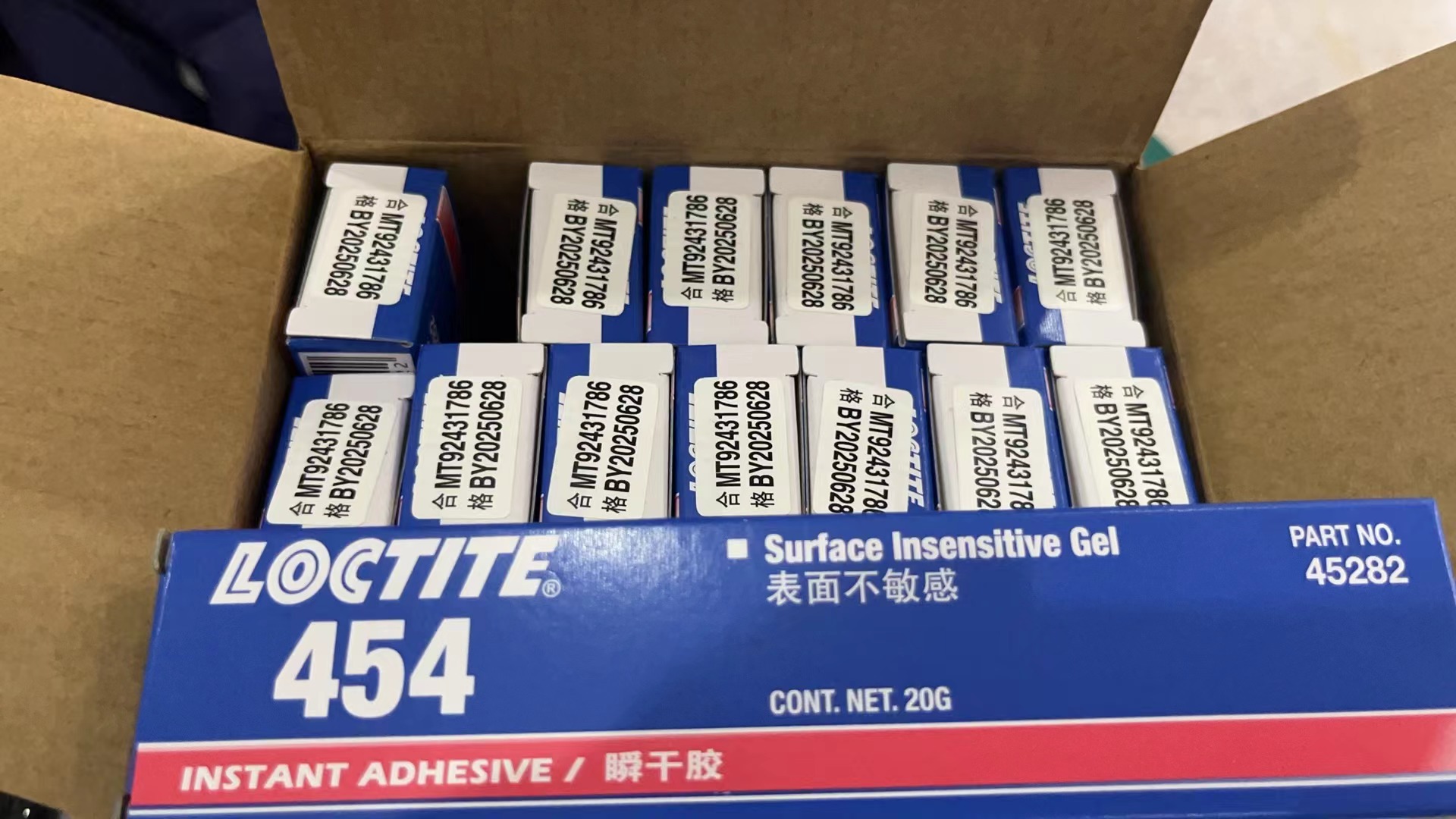
Rubber-Toughened Rapid-Bonding Instant Adhesive

LOCTITE 435 is a clear, toughened, low-viscosity (medical device grade) instant adhesive
  • 435

  • loctite

  • HS CODE

  • Anaerobic adhesive

  • high quality

  • Barreled, bagged, boxed, palletized or as customers' requirement

  • OEM service provided

  • 3-10 days, depends on quantity needed

Availability:
Quantity:


Brief Introduction


High-precision deep groove ball bearings represent a cornerstone solution in modern industrial motion control systems, delivering reliable rotational performance across diverse mechanical applications. These bearings feature a simple yet robust design consisting of inner and outer rings with deep raceway grooves, rolling elements (balls), and cage assemblies that maintain optimal ball spacing. Engineered to accommodate both radial and axial loads simultaneously, deep groove ball bearings serve as versatile components in machinery ranging from electric motors and pumps to agricultural equipment and material handling systems. E-ASIA BEARING leverages six decades of manufacturing expertise to produce deep groove ball bearings that meet international quality standards while maintaining competitive pricing for industrial buyers, distributors, and OEM manufacturers worldwide.


Rubber-Toughened Rapid-Bonding Instant Adhesive


Distinctive Performance Advantages

Bidirectional Load Handling Capability

Deep groove ball bearings excel at managing combined loading conditions where both radial forces and moderate axial thrust occur simultaneously. The symmetrical raceway design permits axial load acceptance from either direction without performance degradation, eliminating the need for paired bearing arrangements in many applications. This dual-load capability reduces component count and simplifies assembly procedures for equipment manufacturers.

Minimal Friction Characteristics

Point contact between balls and raceways generates lower friction coefficients compared to roller bearing alternatives, translating to reduced energy consumption during operation. This efficiency advantage becomes particularly significant in high-speed applications such as electric motor assemblies, where friction-related heat generation directly impacts operational costs and component lifespan.

Maintenance-Free Operation Potential

When equipped with integrated seals or shields and factory-applied grease lubrication, deep groove ball bearings can operate throughout their service life without requiring relubrication interventions. This sealed bearing configuration protects internal components from contaminant ingress while retaining lubricant, making them ideal for applications where maintenance access is limited or cost-prohibitive.

Noise Reduction Properties

Precision-manufactured deep groove ball bearings generate minimal operational noise compared to other bearing types, making them preferred components in noise-sensitive environments including medical equipment, office machinery, and residential appliances. Advanced manufacturing tolerances ensure smooth ball circulation within raceways, eliminating vibration-induced sound emissions.

Cost-Effectiveness at Scale

Standardized production processes and widespread global manufacturing have established deep groove ball bearings as economical motion control solutions. High production volumes drive competitive pricing without compromising quality, enabling cost-conscious manufacturers to specify reliable bearing components while maintaining budget constraints.

Industrial Application Sectors

Electric Motor Integration

Deep groove ball bearings serve as primary shaft support components in electric motors ranging from fractional horsepower units to industrial-grade drives. Their low-friction operation minimizes motor current draw while balanced load distribution extends rotor assembly service intervals. Applications span HVAC systems, industrial fans, conveyor drives, and automated manufacturing equipment where motor reliability directly impacts production uptime.

Automotive Systems

Vehicle manufacturers incorporate deep groove ball bearings throughout powertrain, chassis, and accessory systems. Wheel hub assemblies, transmission components, alternator shafts, and water pump drives rely on these bearings to withstand road vibration, thermal cycling, and contamination exposure. Sealed bearing variants prevent road debris and moisture intrusion in harsh automotive operating environments.

Agricultural Equipment

Farm machinery subjects bearings to dust, moisture, temperature extremes, and shock loading during field operations. Deep groove ball bearings with robust sealing systems maintain performance in combine harvesters, tractor implements, irrigation pumps, and grain handling equipment. Their ability to accommodate misalignment and contamination exposure makes them suitable for rugged agricultural service conditions.

Material Handling Machinery

Conveyor systems, forklift masts, overhead cranes, and automated warehouse equipment depend on deep groove ball bearings for smooth operation under varied loading patterns. These applications benefit from the bearing's capacity to handle combined radial and thrust loads while maintaining positional accuracy during repetitive motion cycles.

Medical Device Manufacturing

Precision medical equipment including diagnostic imaging systems, surgical robots, and laboratory automation devices require low-noise, smooth-running bearings. Deep groove ball bearings manufactured to tight tolerances deliver the quiet operation and positional accuracy necessary for sensitive medical applications while meeting stringent cleanliness standards.

Materials and Manufacturing Process

Steel Alloy Selection

E-ASIA BEARING manufactures deep groove ball bearings from high-carbon chromium steel alloys conforming to international standards such as AISI 52100, GCr15, and 100Cr6. These through-hardened steels achieve optimal hardness levels of 58-65 HRC after heat treatment, providing wear resistance and load-bearing capacity necessary for extended service life.

Precision Machining Operations

Ring blanks undergo multi-stage turning and grinding processes to achieve dimensional accuracy within micron-level tolerances. Raceway profiles are ground using specialized machinery that maintains consistent curvature radius, ensuring uniform load distribution across all rolling elements. Surface finish specifications typically reach Ra 0.02-0.05 μm for optimal ball rolling characteristics.

Heat Treatment Cycles

Bearing components experience controlled heating and quenching sequences that transform steel microstructure, maximizing hardness while maintaining core toughness. Tempering operations relieve internal stresses introduced during quenching, preventing dimensional instability during operational loading. Advanced furnace technology ensures uniform thermal processing across production batches.

Ball Manufacturing Standards

Rolling elements are manufactured from similar steel grades through cold heading, heat treatment, and multi-stage grinding operations. Ball sphericity tolerances reach Grade 10 or better, with surface finish specifications supporting smooth raceway contact. Dimensional consistency across ball sets ensures balanced load sharing and vibration-free operation.

Cage Fabrication Methods

Steel cages are formed through stamping and riveting processes, while polyamide cages utilize injection molding technology. Cage pocket dimensions maintain precise ball spacing while allowing lubricant circulation. Material selection balances strength requirements, speed limitations, and chemical compatibility with operating environments.

Quality Assurance Protocols

Every production batch undergoes dimensional verification, surface inspection, and performance testing before shipment. Automated measurement systems validate bore diameter, outside diameter, width, and raceway geometry against design specifications. Functional testing includes vibration analysis, noise measurement, and rotational torque verification to ensure conformance with quality standards.

Installation and Maintenance Guidelines

Proper Mounting Procedures

Always use appropriate installation tools including bearing heaters, hydraulic presses, or sleeve-based mounting devices to prevent raceway damage during assembly. Apply force evenly through the ring experiencing interference fit conditions—never transmit mounting force through rolling elements. Verify shaft and housing dimensions match bearing tolerances to achieve proper fit conditions.

Lubrication Requirements

Select grease formulations compatible with operating temperature ranges, speed conditions, and environmental exposure factors. Fill bearing cavities to 30-50% capacity for standard applications—excessive grease generates unnecessary churning resistance and heat buildup. Oil lubrication systems should maintain specified viscosity grades at operating temperatures while ensuring adequate flow rates.

Alignment Verification

Confirm shaft and housing alignment during installation to prevent premature bearing failure from induced loading conditions. Misalignment introduces uneven load distribution across raceways, accelerating wear patterns and reducing service life. Use precision alignment tools for critical applications requiring extended operational reliability.

Seal Inspection Practices

For sealed bearing configurations, verify seal integrity before installation to ensure contaminant exclusion performance. Damaged seals compromise lubricant retention and permit abrasive particle ingress, drastically reducing bearing lifespan. Replace bearings with compromised seals rather than attempting field repairs.

Operating Condition Monitoring

Implement vibration analysis, temperature monitoring, and acoustic emission tracking to detect early bearing deterioration signals. Gradual increases in operating temperature, vibration amplitude, or noise levels indicate developing issues requiring investigation. Proactive condition monitoring prevents catastrophic failures and unplanned downtime events.

Deep Groove Ball Bearings vs. Angular Contact Ball Bearings

While both bearing types utilize ball rolling elements, fundamental design differences create distinct performance characteristics. Deep groove ball bearings accommodate bidirectional axial loads through symmetrical raceway geometry, whereas angular contact bearings optimize unidirectional thrust capacity through asymmetric contact angles. Deep groove variants offer simpler installation and broader application versatility, making them suitable for general-purpose machinery. Angular contact bearings excel in applications requiring maximum axial rigidity, such as machine tool spindles and high-precision positioning systems, but demand paired mounting arrangements and precise preload control.

Frequently Asked Questions

What factors determine appropriate bearing size selection for my application?

Bearing size selection depends on shaft diameter, available housing space, calculated load requirements, and operational speed limits. Engineers should calculate equivalent dynamic load ratings using radial and axial load components, then select bearings with adequate load capacity margins. Speed limitations must be verified against calculated operating speeds to prevent premature failure.

Can deep groove ball bearings operate in high-temperature environments?

Standard steel bearings function reliably up to 120°C, with performance degradation occurring at higher temperatures due to lubricant breakdown and dimensional instability. Specialized high-temperature bearings incorporating ceramic rolling elements, advanced steel alloys, and synthetic lubricants extend operational limits to 300°C or higher for demanding applications.

How do I determine when bearing replacement is necessary?

Replace bearings exhibiting increased vibration levels, elevated operating temperatures, unusual noise generation, or visible damage to seals and external surfaces. Condition monitoring data indicating degradation trends should trigger planned replacement before catastrophic failure occurs. Never attempt to reuse bearings removed during equipment disassembly, as handling and dismounting processes compromise internal geometries.

What clearance class should I specify for my application?

Normal clearance (CN) suits most standard applications at ambient temperatures. C3 clearance accommodates thermal expansion in higher-temperature environments or interference fit conditions. C2 clearance provides tighter running accuracy for precision applications with minimal thermal loading. Consult application engineering guidelines when operating conditions deviate from standard parameters.

Are your deep groove ball bearings compatible with automated lubrication systems?

Yes, open bearing configurations integrate readily with centralized lubrication systems delivering grease or oil to bearing positions. Specify bearings without seals or shields when automatic lubrication is planned. Ensure lubricant delivery rates and intervals match bearing consumption requirements to maintain adequate film thickness without over-lubrication.

Why Choose E-ASIA BEARING

Six Decades of Manufacturing Heritage

E-ASIA BEARING has accumulated 60 years of bearing production experience, developing comprehensive technical knowledge across diverse industrial sectors. This legacy foundation supports continuous quality improvement initiatives and customer-focused product development programs that address evolving market requirements.

Comprehensive Quality Control Systems

Our manufacturing facilities implement 100% inspection protocols rather than statistical sampling methods, ensuring every bearing meets published specifications before shipment. Advanced testing equipment validates dimensional accuracy, material properties, and functional performance throughout production sequences.

Cost-Effective Sourcing Solutions

Partnerships with over 1000 specialized factories enable competitive pricing without compromising quality standards. This extensive supply network provides access to various quality tiers, allowing customers to specify appropriate bearing grades matching application requirements and budget constraints.

Global Distribution Capabilities

Extensive inventory systems maintain stock availability for conventional bearing sizes, enabling same-day order processing and shipment for standard requirements. International distribution networks support local delivery arrangements in over 50 countries, reducing lead times and logistics complexity for global customers.

Technical Application Support

Our engineering team provides bearing selection assistance, application troubleshooting, and customized solution development for challenging requirements. Technical consultations help customers optimize bearing specifications, reducing costs while improving operational reliability across industrial applications.

Flexible Partnership Models

Whether you operate as an OEM manufacturer, regional distributor, or online retailer, E-ASIA BEARING offers adaptable business arrangements supporting your specific market position. Dealer networks receive inventory support, technical training, and marketing resources to strengthen local market presence and customer relationships.


Previous: 
Next: 
Inquiry

Related New

content is empty!

60 years history from foundation, E-ASIA bearings have obtained SLYB, JSS brands.
Contact Us
  NO.88, E-ASIA building 1-6 floor, Jingjiang industries park, jiangsu province, china
  sales@zwz-skf.com
  +86-15996058266
  rachelsun168

Products

Quick Links

Copyright © 2025 E-ASIA Bearing Co.,Ltd.  Sitemap Supported By Leadong  苏ICP备2025208765号-1