Brief Introduction
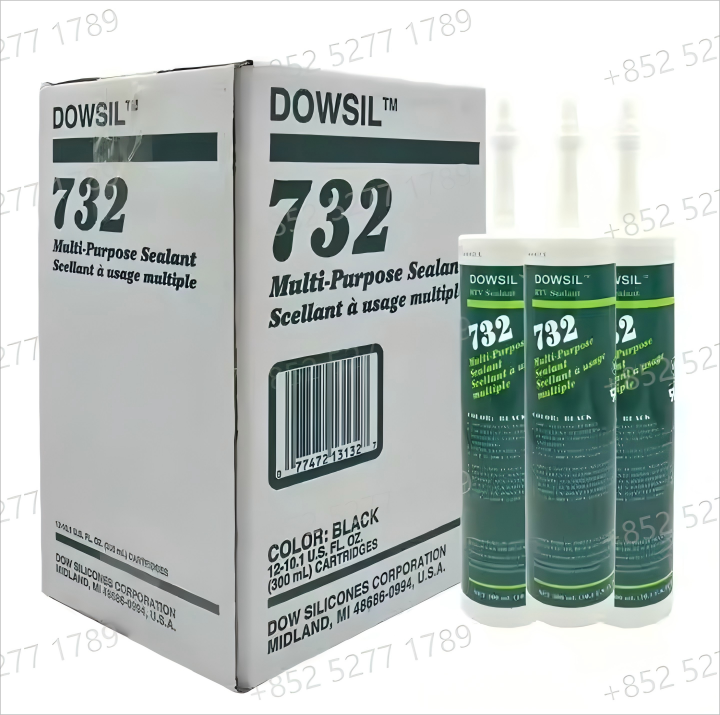
Neutral cure silicone sealant represents a specialized category of single-component room temperature vulcanizing (RTV) adhesive compounds engineered for critical sealing applications across food service, industrial manufacturing, and electronics sectors. This 300ml FDA-compliant silicone sealant formulation delivers advanced bonding and sealing performance while maintaining compliance with stringent food safety regulations governing materials in direct contact with consumable products. Manufactured through precision polymer chemistry, this neutral silicon sealant cures through atmospheric moisture reaction without producing corrosive acetic acid byproducts that damage sensitive substrates.
The waterproof silicone sealant formulation incorporates cross-linking siloxane polymers that form permanent elastic seals resistant to environmental degradation, chemical exposure, and thermal cycling. Unlike acetoxy-cure variants that release acidic vapors during polymerization, this neutral curing mechanism ensures compatibility with metal surfaces, polycarbonate plastics, and coated glass without causing substrate corrosion or discoloration. Applications span from food processing machinery gasket formation to electronic component encapsulation, providing versatile sealing solutions where traditional organic sealants fail under temperature extremes or chemical stress.
Performance Characteristics
Food Safety Certification Standards
This FDA food grade sealant meets United States Food and Drug Administration regulation 21 CFR 177.2600 governing rubber articles intended for repeated food contact use. The formulation contains only approved polymers, fillers, and processing aids that demonstrate no migration of harmful substances into food products under normal usage temperatures. Food processing facilities utilize this certified material for sealing joints in stainless steel equipment, forming gaskets around access panels, and repairing damaged seals on refrigeration units without risking contamination of food products. Commercial kitchens benefit from the sealant's ability to withstand repeated cleaning with hot water, detergents, and sanitizing chemicals without degrading seal integrity.
Complete Moisture Barrier Protection
The cured silicone matrix forms an impermeable barrier preventing water vapor transmission, liquid penetration, and airborne particulate ingress. This waterproof sealant capability protects sensitive equipment in humid environments including commercial refrigeration systems, outdoor electrical enclosures, and marine equipment installations. Hydrophobic surface characteristics cause water to bead and run off rather than absorbing into the seal joint. The dustproof seal performance blocks fine particles from entering precision mechanisms in food processing conveyors, pharmaceutical packaging equipment, and clean room environments where contamination control is critical.
Extended Temperature Performance Range
Silicone polymer chemistry provides exceptional thermal stability across temperature extremes that would cause organic rubber sealants to harden and crack or soften and flow. The cured seal maintains elastic properties from cryogenic temperatures (-60°C) encountered in frozen food storage through elevated temperatures (+200°C) typical of industrial ovens and automotive engine compartments. This temperature resistance enables single-product inventory for applications ranging from walk-in freezer door seals to exhaust manifold gaskets. Thermal cycling testing demonstrates no adhesion loss or crack formation after 500 cycles between temperature extremes.
Electrical Insulation Properties
The non-conductive nature of cured silicone provides electrical insulation exceeding 10^14 ohm-cm resistivity, preventing current leakage and short circuit formation in electronic assemblies. Circuit board manufacturers apply this neutral silicone sealant to encapsulate wire connections, protect solder joints from moisture, and provide strain relief for component leads. The dielectric strength exceeds 20 kV/mm, enabling use in high-voltage applications including transformer potting and power supply encapsulation. Unlike conductive adhesives that could create unintended electrical pathways, this insulating formulation isolates circuits while providing mechanical bonding.
Chemical Resistance Profile
The cross-linked siloxane backbone resists degradation from petroleum products, mineral oils, hydraulic fluids, weak acids, alkalis, and most industrial solvents. Automotive technicians rely on this chemical resistant sealant for sealing oil pan gaskets, transmission housings, and fuel system components where prolonged exposure to gasoline and motor oil would dissolve conventional rubber gaskets. Industrial chemical processing plants use the formulation for pipe flange seals and valve stem packing where exposure to corrosive process fluids requires long-term seal integrity. Testing demonstrates less than 5% volume swell after 1000-hour immersion in ASTM reference fuels.
Neutral Cure Chemistry Advantages
Traditional acetoxy-cure silicone sealants release acetic acid vapor during polymerization, creating the characteristic vinegar odor and potentially corroding copper, brass, zinc-plated steel, and electronic components. This neutral cure formulation substitutes alcohol or oxime cross-linking chemistry that produces only inert byproducts during cure. The non-corrosive curing process enables direct application to sensitive metal substrates in HVAC systems, electronic equipment, and precision instruments without pre-coating or isolation barriers. Mirror backing, copper refrigeration tubing, and galvanized ductwork installations benefit from the neutral pH cure system.
Food and Beverage Processing Equipment
Commercial food production facilities integrate this FDA-approved sealant throughout processing lines where equipment must meet strict hygiene standards. Stainless steel mixing tanks, conveyor belt assemblies, bottling machinery, and packaging equipment utilize the sealant for creating sanitary barriers around access hatches, sensor mounting ports, and equipment mounting feet. The sealant's resistance to hot water washdown (up to 95°C), caustic detergents, and sanitizer solutions makes it suitable for clean-in-place (CIP) food processing environments. Dairy processors seal observation windows in pasteurization equipment, while meat processing plants use the compound for cold storage door gasket repairs.
Electronics Manufacturing and Assembly
Circuit board conformal coating applications leverage the sealant's electrical insulation properties and moisture barrier capabilities. Electronics manufacturers apply beads around wire harness entry points, seal cable glands on outdoor enclosures, and encapsulate pressure sensors in automotive control modules. Consumer electronics production utilizes the compound for speaker gasket formation, microphone seal protection, and waterproofing smartphone component interfaces. Industrial control panel builders seal around pushbutton assemblies, indicator light mounting holes, and touchscreen display bezels to achieve IP65 or IP67 environmental protection ratings.
Automotive Component Sealing
Automotive OEM suppliers and aftermarket repair shops employ this high-temperature silicone for engine compartment applications. Valve cover gaskets, oil pan seals, thermostat housing joints, and transmission pan gaskets benefit from the sealant's resistance to motor oil, antifreeze, and temperatures exceeding 150°C. Exhaust system repairs utilize the material for sealing manifold joints and catalytic converter flange connections where conventional gaskets fail from thermal cycling. Underhood electrical connector sealing prevents moisture intrusion that causes corrosion and circuit failures in engine management systems.
HVAC and Refrigeration Systems
Commercial HVAC contractors seal ductwork joints, equipment access panels, and condensate drain connections using this waterproof formulation. The sealant prevents air leakage that reduces system efficiency while blocking moisture that promotes mold growth. Refrigeration technicians apply the compound around compressor mounting grommets, sight glass bezels, and control panel entry points on walk-in coolers and display cases. The low-temperature flexibility maintains seal integrity in freezer applications operating at -40°C, while chemical resistance withstands refrigerant exposure during service procedures.
Industrial Machinery and Equipment
Manufacturing facilities deploy this multipurpose sealant for maintenance and assembly operations across diverse equipment types. Pneumatic system air cylinder seals, hydraulic pump housing gaskets, and bearing housing seals rely on the material's oil resistance and pressure retention capabilities. Conveyor system operators seal around proximity sensors, photoelectric eyes, and encoder mounting assemblies to prevent dust contamination in production environments. Food packaging machinery manufacturers integrate the FDA-compliant formulation throughout equipment designs to simplify regulatory compliance.
Household Appliance Repair
Appliance service technicians carry this versatile sealant for repairing washing machine tub seals, dishwasher spray arm bearings, refrigerator door gaskets, and range vent connections. The waterproof properties prevent water damage in wet environments while the thermal resistance handles dishwasher drying cycle temperatures and oven proximity heat. Window air conditioner installations use the sealant to weatherproof mounting panel gaps and seal refrigerant line penetrations through walls.
Materials and Manufacturing Process
The base polymer consists of hydroxyl-terminated polydimethylsiloxane (PDMS) blended with cross-linking agents, reinforcing fillers (fumed silica), plasticizers, and cure catalysts (tin compounds). Manufacturing involves high-shear mixing under vacuum to eliminate air bubbles that would compromise seal integrity. The paste formulation is packaged in moisture-proof cartridges preventing premature cure. Quality control protocols verify viscosity consistency, cure rate stability, and regulatory compliance through batch testing before product release.
Surface Preparation Protocol
Effective bonding requires clean substrate surfaces free from oils, release agents, moisture, and loose particles. Wipe joint areas with isopropyl alcohol or approved solvents, allowing complete evaporation before sealant application. Porous surfaces like concrete may require priming to prevent excessive sealant absorption and ensure adequate bond line thickness. Remove old gasket materials using scrapers or abrasive pads, then solvent-clean to eliminate residual adhesive.
Load cartridges into standard caulking guns, cutting nozzle tips to match desired bead diameter. Apply continuous beads without gaps, using steady trigger pressure to maintain uniform thickness. Tool joints immediately after application using spatulas or smoothing tools to ensure complete surface contact and eliminate voids. Joint width should not exceed 3:1 width-to-depth ratio for proper cure. Back rod foam inserts support deep joints, preventing three-sided adhesion that causes internal stress.
Sealant cures from exposed surfaces inward through atmospheric moisture absorption. Relative humidity between 40-80% provides optimal cure rates, with higher humidity accelerating cross-linking reactions. Allow 24 hours before subjecting seals to mechanical stress, 48 hours before water immersion, and 72 hours before chemical exposure to ensure complete polymerization. Thick sections (>6mm) may require extended cure periods. Avoid application when temperatures fall below 5°C as cure rates slow substantially in cold conditions.
The elastic nature suits static seals and low-pressure applications but not dynamic seals with continuous movement or high-pressure hydraulic systems exceeding 10 bar. Petroleum solvent immersion may cause seal swelling over extended periods. Strong oxidizing acids (sulfuric, nitric) and concentrated alkalis will degrade silicone polymers. Avoid use with silicone-sensitive coatings or materials where silicone migration could cause adhesion problems in subsequent finishing operations.
Neutral Silicone vs. Acetoxy Silicone Comparison
Neutral cure silicone eliminates the corrosion risks associated with acetoxy formulations that release acetic acid during cure. This makes neutral variants essential for metal substrate bonding, electronic component sealing, and enclosed spaces where acid vapors could damage equipment. Acetoxy types cure faster and cost less but cannot meet FDA food contact standards or bond reliably to copper, brass, or zinc surfaces. Applications requiring substrate compatibility and odor-free curing justify the neutral cure premium.
Does this sealant require primers for bonding to metals?
Most metals bond directly without primers due to the formulation's adhesion promoters. Stainless steel, aluminum, and painted steel surfaces typically require only solvent cleaning. Heavily oxidized metals, galvanized coatings, or low-surface-energy plastics may benefit from compatible silicone primers to maximize bond strength. Test adhesion on sample substrates before full-scale application on critical joints.
What factors affect cure speed?
Atmospheric humidity drives the moisture-activated cure reaction. Higher relative humidity (60-80%) accelerates curing, while arid conditions (<30% RH) slow cross-linking. Temperature influences cure rate moderately, with warm conditions (25-30°C) optimal. Joint depth impacts cure progression as deeper sections cure more slowly than surface layers. Thin beads (<3mm) achieve working strength faster than thick applications (>10mm).
Can this sealant bond dissimilar materials?
Yes, the adhesive formulation bonds combinations like metal-to-glass, plastic-to-ceramic, and rubber-to-metal through mechanical interlocking and chemical adhesion mechanisms. Ensure both substrate surfaces are properly cleaned and compatible with silicone adhesion. Some release-treated plastics or waxy materials may require surface preparation or adhesion primers.
How does this product handle outdoor weathering?
UV radiation, ozone exposure, thermal cycling, and moisture do not degrade cured silicone seals as they would organic rubber compounds. Outdoor applications on building facades, automotive exteriors, and marine equipment demonstrate service lives exceeding 20 years without significant deterioration. The formulation resists chalking, cracking, and color change under continuous sunlight exposure.
Is the cured sealant safe for drinking water contact?
NSF certification confirms suitability for potable water system sealing applications including pipe joints, pump housings, and water filtration equipment. The fully-cured material leaches no harmful substances into water supplies, meeting drinking water safety standards. Allow complete cure (72 hours minimum) before placing sealed systems into water service to ensure all reaction byproducts have evaporated.

 English


