Have you ever wondered why some machines run smoothly while others break down frequently? The secret often lies in the roller bearings. These critical components are essential for machinery, found in everything from mining equipment to steel mills.
Proper installation and alignment of roller bearings can significantly impact performance and lifespan. When done incorrectly, they can lead to premature wear and costly equipment failures.
In this article, you’ll learn how to install and align roller bearings effectively for extended service life.
Pre-Installation Preparation
Before diving into the installation of roller bearings, it's crucial to prepare properly. This preparation includes selecting the right roller bearing, ensuring a clean environment, and inspecting all components thoroughly. Let's break down these essential steps.
1. Choosing the Right Roller Bearing
Selecting the appropriate roller bearing is the first step toward successful installation. Consider several factors:
● Size: The bearing must fit perfectly within the designated space. Measure the bore diameter and outer diameter accurately.
● Load Capacity: Determine the load that the bearing will need to support. Each bearing has a specific load rating, so choose one that meets or exceeds your requirements.
● Application: Think about where and how the bearing will be used. Different environments, such as mining or steel mills, may require different types of roller bearings.
When selecting a roller bearing, it's essential to refer to the manufacturer's specifications. Brand like E-ASIA provides detailed guidelines that can help ensure you choose the right product for your needs.
Brand | Key Features | Recommended Applications |
E-ASIA | High load capacity, durability | Mining, steel mills |
SKF | Precision engineering, reliability | Automotive, industrial machinery |
NSK | Wide range of sizes and types | General machinery, construction |
2. Creating a Clean Installation Environment
A clean installation site is vital for the longevity of roller bearings. Here are some key steps to ensure cleanliness:
● Dust-Free Area: Set up your workspace in a clean, dust-free environment. Dust and debris can contaminate the bearings, leading to premature wear.
● Clean Tools: Make sure all tools used for installation are clean. Contaminated tools can introduce particles that affect bearing performance.
● Minimize Contaminants: Keep the area free from oils, dirt, and other contaminants. Even small particles can cause significant issues once the bearing is in operation.
By taking the time to create a clean installation environment, you set the stage for optimal performance and extended service life of the roller bearings.
3. Inspecting Components
Before installing roller bearings, inspect all components to ensure they are in good condition. This includes checking the shaft and housing for any damage. Here’s what to look for:
● Shaft Condition: Examine the shaft for scratches, rust, or any irregularities. A damaged shaft can lead to misalignment and bearing failure.
● Housing Fit: Ensure the housing is clean and free of defects. It should match the bearing specifications precisely to avoid misalignment.
Proper fit and dimensions are crucial. If the components do not fit correctly, it can lead to excessive wear and potential failure of the roller bearings. Regular inspections can help identify issues before they become major problems, ensuring smooth operation and longevity.
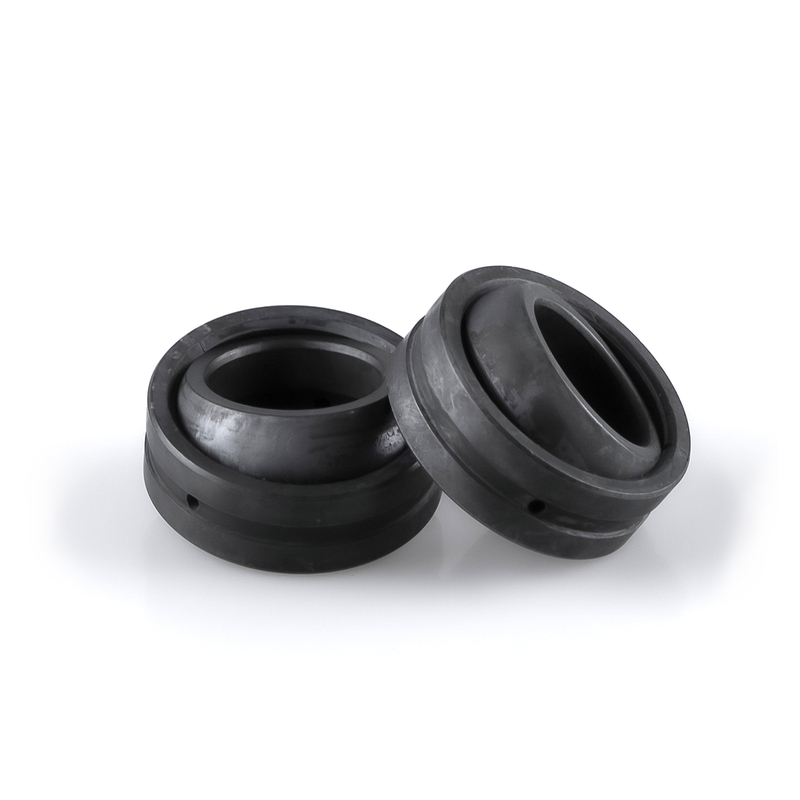
Installation Methods for Roller Bearings
Installing roller bearings correctly is essential for their performance and longevity. A well-executed installation not only enhances the efficiency of machinery but also extends the service life of the bearings themselves. This section delves into the methods of installation, necessary tools, and a detailed step-by-step process to ensure a successful setup.
1. Cold Mounting vs. Hot Mounting
When it comes to mounting roller bearings, two primary methods are commonly used: cold mounting and hot mounting. Each method has its own advantages and ideal use cases.
Cold Mounting involves installing the bearing at room temperature. This method is straightforward and requires no special equipment, making it accessible for various applications. However, it may not be suitable for all situations, particularly when dealing with tight fits. Cold mounting can sometimes require excessive force, increasing the risk of damaging the bearing or the shaft.
On the other hand, Hot Mounting is often preferred for larger bearings or those with very tight tolerances. This technique involves heating the bearing to expand it, allowing for easier installation. The recommended temperature range for hot mounting is between 80°C and 100°C. Heating the bearing ensures optimal fitting without compromising the material integrity.
Here’s a quick comparison of both methods:
Method | Advantages | Disadvantages |
Cold Mounting | Simple, no special equipment needed | May require excessive force |
Hot Mounting | Easier fit for larger bearings, reduces stress | Requires heating equipment and care |
2. Tools Required for Installation
Using the right tools is crucial for a successful installation. Here are some recommended tools and their specific purposes:
● Mechanical Press: An essential tool for applying even pressure when mounting bearings. It helps prevent damage that can occur from uneven force. A mechanical press ensures the bearing is installed straight and securely.
● Induction Heater: Perfect for hot mounting, as it heats the bearing uniformly without overheating. Induction heating provides precise temperature control, reducing the risk of thermal stress on the bearing.
● Bearing Pullers: Useful for removing bearings without causing damage. They are especially handy when disassembling machinery for maintenance.
● Calipers and Micrometers: These tools are vital for measuring the shaft and housing dimensions accurately. Ensuring the correct fit is critical to avoid misalignment.
Using specialized tools designed for larger bearings is essential. They ensure that the installation process is smooth and minimizes the risk of damaging the components. Employing the right tools not only enhances efficiency but also contributes to the overall reliability of the machinery.
3. Step-by-Step Installation Process
To successfully install roller bearings, follow these detailed steps:
1. Preparation: Ensure the workspace is clean and free of contaminants. Gather all necessary tools and components. A clean environment minimizes the risk of dirt entering the bearing during installation.
2. Inspect and Check the Fit: Before installation, verify that the bearing matches the shaft and housing dimensions. Use calipers to measure the shaft diameter and the housing bore. This prevents misalignment later on.
3. Mounting the Bearing:
a. If using cold mounting, apply steady pressure using a mechanical press. Ensure that the force is evenly distributed to avoid damaging the bearing or shaft.
b. For hot mounting, heat the bearing to the recommended temperature. Use an induction heater for uniform heating. Once heated, quickly place it onto the shaft. It’s important to act swiftly to prevent the bearing from cooling down before installation.
4. Applying Force: Use even, direct pressure to install the bearing. Avoid using hammers or other tools that can cause impact damage. Instead, rely on the mechanical press to ensure a smooth installation. If you notice any resistance while pushing the bearing onto the shaft, stop and reassess the alignment.
5. Final Checks: After installation, manually rotate the bearing to ensure smooth operation. Look for any signs of misalignment or resistance. A well-installed bearing should rotate freely without any noise or friction.
6. Follow Manufacturer Guidelines: Adhering to manufacturer guidelines is crucial, especially for brand like E-ASIA. Their specifications provide detailed instructions that help ensure proper installation and alignment, enhancing the bearing's performance and lifespan. Always consult these guidelines for specific installation techniques and maintenance recommendations.
By adhering to these methods and using the right tools, you can significantly improve the reliability and longevity of your roller bearings. Proper installation not only enhances machinery performance but also reduces the likelihood of costly repairs and downtime in the future.
Aligning Roller Bearings
Proper alignment of roller bearings is crucial for optimal performance and extended service life. Misalignment can lead to a host of problems, including increased wear, overheating, and even catastrophic failure. This section will explore the importance of precision alignment, techniques for achieving it, and common mistakes to avoid during the alignment process.
1. The Importance of Precision Alignment
Precision alignment plays a vital role in the performance and lifespan of roller bearings. When bearings are misaligned, they experience uneven load distribution, leading to premature wear and failure. This misalignment can manifest in various ways, such as increased vibration, noise, and heat generation.
To ensure proper alignment, several tools can be utilized:
● Laser Alignment Tools: These provide accurate measurements and are extremely effective in ensuring that shafts are aligned correctly. They use laser beams to detect misalignment and provide real-time feedback.
● Dial Indicators: A more traditional method, dial indicators measure runout and help identify misalignment in the shaft or housing. They are simple to use and can be very effective when precision is needed.
Alignment Tool | Advantages | Best Use Cases |
Laser Alignment | High accuracy, quick results | Large machinery installations |
Dial Indicators | Cost-effective, reliable | Smaller setups, routine checks |
2. Techniques for Achieving Proper Alignment
Achieving proper alignment requires careful measurement and adjustment. Here are some effective methods:
● Runout Measurement: This technique involves measuring the shaft's runout to determine how much it deviates from its ideal position. Using a dial indicator, you can assess the runout at various points along the shaft to identify misalignment.
● Best Practices for Aligning Shafts and Housings:
○ Use Shims: If the alignment is off, shimming can help raise or lower the bearing housing to achieve the correct alignment.
○ Adjusting Mounting Points: Sometimes, adjusting the mounting points of the motor or the driven equipment can correct misalignment.
○ Check Parallelism: Ensure that the shafts are parallel to one another. This can be done by measuring the distance between the shafts at multiple points.
By employing these techniques, you can significantly reduce the risk of misalignment.
3. Common Alignment Mistakes to Avoid
Even experienced technicians can make mistakes during the alignment process. Here are some common pitfalls and tips to prevent them:
● Ignoring Shaft Condition: A worn or damaged shaft can lead to misalignment. Always inspect the shaft for any signs of wear before installation.
● Inadequate Measurements: Rushing through alignment checks can result in errors. Take the time to measure accurately and double-check your work.
● Forgetting to Recheck After Installation: It’s essential to recheck alignment after the installation is complete. Changes in temperature or pressure can affect alignment, so a final check ensures everything is in order.
By being aware of these common mistakes and taking proactive steps to avoid them, you can ensure accurate alignment and prevent excessive wear on your roller bearings. Proper alignment not only extends the life of the bearings but also enhances the overall efficiency of the machinery.
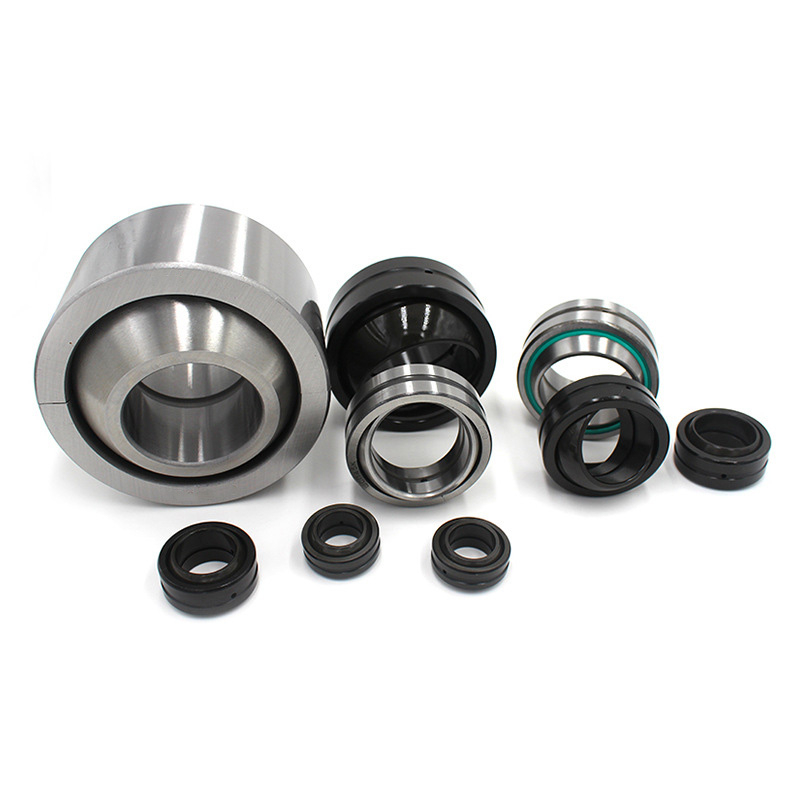
Post-Installation Verification
After installing roller bearings, conducting thorough post-installation verification is vital to ensure optimal performance and longevity. This section will cover three essential aspects: checking bearing rotation, rechecking alignment, and lubrication considerations.
1. Checking Bearing Rotation
Once the roller bearings are installed, the first step is to check their rotation. This process is straightforward but crucial for identifying potential issues early on.
● Manual Rotation: Gently rotate the bearing by hand. It should spin freely without any resistance. If you feel any binding or roughness, it could indicate improper installation or misalignment.
● Signs of Improper Installation: Pay attention to any unusual noises during rotation. Grinding, squeaking, or excessive vibration can signal that something is not right. Resistance when turning the bearing can also suggest that it is not seated correctly or that there is an alignment issue.
To summarize, a smooth and quiet operation during manual rotation is a good indicator of proper installation.
2. Rechecking Alignment
Verifying alignment after installation is critical to ensure the longevity of the roller bearings. Misalignment can lead to premature wear and failure, so this step should not be overlooked.
● Importance of Alignment Checks: Even if the alignment was correct during installation, factors such as thermal expansion or settling can affect it later. Therefore, it's essential to recheck alignment after installation.
● Tools and Techniques: Utilize tools like laser alignment systems or dial indicators for accurate measurements. Laser alignment offers high precision and can quickly identify any misalignment issues. Dial indicators are also effective for checking shaft runout and ensuring everything is aligned correctly.
Tool | Description | Best Use Cases |
Laser Alignment | High precision, quick results | Large machinery installations |
Dial Indicators | Cost-effective, reliable measurements | Routine checks and smaller setups |
3. Lubrication Considerations
Proper lubrication is essential for the smooth operation of roller bearings and their longevity. After installation, it’s crucial to ensure that the bearings are adequately lubricated.
● Importance of Lubrication: Lubrication reduces friction and wear, helping to maintain optimal performance. Insufficient lubrication can lead to overheating and premature bearing failure.
● Recommendations for Lubricants: The choice of lubricant depends on the application and operating conditions. For high-load applications, consider using synthetic oils or greases designed for extreme pressure. These lubricants provide better protection and performance under heavy loads.
● Quantities and Application: Follow the manufacturer's recommendations for the amount of lubricant to apply. Over-lubrication can lead to increased pressure and heat, while under-lubrication may not provide adequate protection.
By ensuring that the roller bearings are properly lubricated, you can enhance their operational efficiency and extend their service life.
In summary, thorough post-installation verification, including checking rotation, rechecking alignment, and ensuring proper lubrication, is essential for the long-term success of roller bearings in any application.
Conclusion
Proper installation and alignment of roller bearings are crucial for their performance and longevity. Misalignment can lead to excessive wear and failure.
Following guidelines ensures extended service life and optimal operation.
We encourage readers to share their experiences or ask questions. If facing complex installations, consider contacting a professional or seeking advice from manufacturers like E-ASIA.

 English


