Are you struggling with vibration and noise in your special bearings? These issues can lead to significant operational problems and reduced efficiency.
Special bearings play a crucial role in various industries, ensuring smooth and reliable performance. However, when they malfunction, they can cause costly downtime.
In this post, you’ll learn how to effectively troubleshoot vibration and noise issues in special bearings. We’ll cover common causes, diagnostic techniques, and preventive measures to enhance performance and longevity.
Understanding Special Bearings
What are Special Bearings?
Special bearings are engineered components designed for specific applications that require high precision and reliability. Unlike standard bearings, they are tailored to meet unique operational demands. Their characteristics include enhanced durability, resistance to extreme conditions, and optimized performance.
There are several types of special bearings, each serving unique functions:
● High-Temperature Bearings: These can operate efficiently at temperatures up to 1000°C, making them ideal for environments like furnaces and turbines.
● Ceramic Bearings: Known for their low friction and high-speed capabilities, these are perfect for precision machinery and semiconductor manufacturing.
● Magnetic Bearings: These feature non-contact designs, allowing for high-speed rotation in vibration-sensitive applications.
One notable provider of specialized bearings is E-ASIA Bearing Co., Ltd. They offer a range of high-precision solutions tailored to meet industry-specific challenges.
Applications of Special Bearings
Special bearings find their place in various industries due to their unique properties. Here are some key sectors where they are commonly used:
Industry | Application Example | Importance of Special Bearings |
Automotive | Engine components | Enhance performance and reduce friction. |
Aerospace | Aircraft engines | Ensure reliability under extreme conditions. |
Medical | Surgical instruments | Provide precision and minimize contamination risks. |
In specific scenarios, special bearings are essential. For instance, in turbines, they handle high speeds and loads, ensuring smooth operation. In semiconductor manufacturing, the precision of ceramic bearings is crucial to maintain product quality and efficiency.
Overall, special bearings are vital for the performance and longevity of machinery across various applications. Their tailored design meets the specific needs of different industries, ensuring reliability and efficiency in demanding environments.
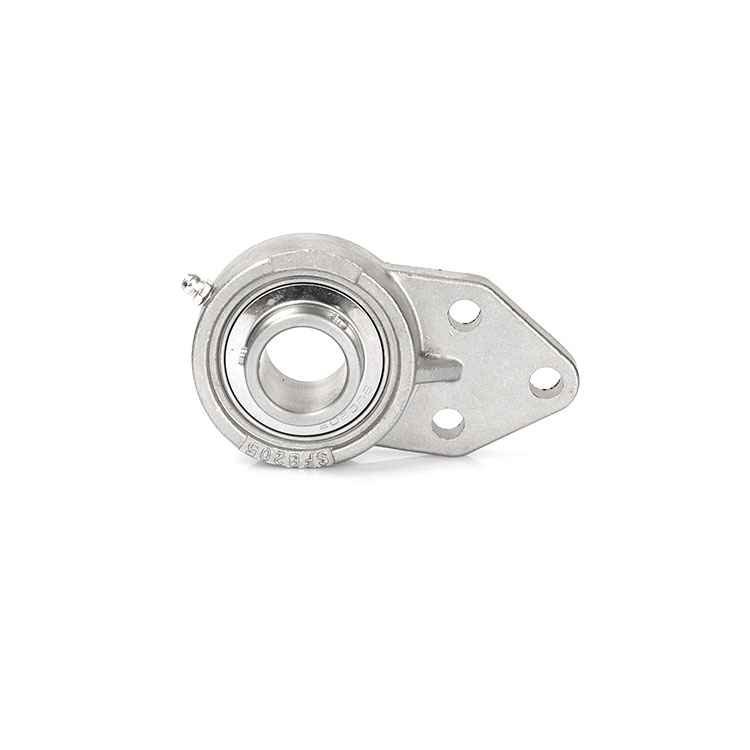
Common Causes of Vibration and Noise in Special Bearings
Identifying the Symptoms
When dealing with special bearings, recognizing the symptoms of vibration and noise is crucial. Different types of sounds can indicate specific issues. Here are some common noise types and what they might suggest:
● Continuous Humming/Whistling: This often points to insufficient lubrication or excessive speed. It can also indicate a tight fit that causes friction.
● Periodic Clicking/Knocking: If you hear clicking or knocking sounds, it may be due to physical damage, like spalling or cracks on the raceways. Loose components can also cause these noises.
● Irregular Rustling: This sound typically arises from contamination, such as dust or degraded lubricant, which affects the bearing's operation.
● Metallic Rubbing: This noise indicates worn surfaces or a broken cage. It’s a sign that immediate attention is needed.
● Buzzing in Electrical Applications: In special motor bearings, buzzing can signal electrical discharge machining (EDM) damage. This issue can lead to further complications if not addressed.
Root Causes of Vibration and Noise
Understanding the root causes of vibration and noise in special bearings can help prevent future issues. Here are some key factors to consider:
Cause | Description |
Inadequate or Contaminated Lubrication | Insufficient or contaminated lubricant can lead to metal-to-metal contact, increasing friction and noise. Regular checks are essential. |
Incorrect Installation and Alignment | Misalignment or improper fit can cause uneven load distribution, leading to vibration. Ensuring correct installation is vital for performance. |
Overload or Mismatched Load Conditions | Operating beyond the bearing's load rating can stress rolling elements, resulting in vibration and accelerated wear. Always verify load limits. |
Wear and Fatigue from Prolonged Use | Over time, bearings may experience wear, leading to increased clearance and irregular vibration. Regular inspections can catch these issues early. |
Environmental Contamination | Factors like moisture or dust can damage seals, particularly in stainless steel bearings, leading to noise and operational failures. Protecting bearings from contaminants is key. |
By identifying symptoms and understanding root causes, we can effectively troubleshoot vibration and noise issues in special bearings. This proactive approach helps maintain optimal performance and extends the lifespan of these critical components.
Step-by-Step Troubleshooting Process
Initial Monitoring
Monitoring vibration and noise in special bearings is crucial for early detection of issues. Regular checks can help identify problems before they escalate. Utilizing the right tools is essential for accurate monitoring.
Tools for Monitoring:
● Vibration Sensors: These devices capture vibration patterns and help identify abnormal frequencies.
● Sound Level Meters: These measure the sound intensity, allowing you to detect unusual noise levels.
Interpreting the data from these tools is key. Look for patterns that deviate from normal operational ranges. For instance, a sudden spike in vibration may indicate misalignment or wear. Keeping a log of readings helps track changes over time.
Inspecting Lubrication
Proper lubrication is vital for the longevity of special bearings. It minimizes friction and wear, ensuring smooth operation. Here’s how to check lubrication effectively:
1. Check Lubrication Type: Ensure the correct lubricant is used for the specific bearing application. Different bearings require different types of grease or oil.
2. Assess Quantity: Verify that there is enough lubricant present. Too little can lead to increased friction and heat.
3. Identify Contamination: Look for signs of contamination, such as discoloration or particles in the lubricant. Contaminated lubrication can cause severe damage to bearings.
E-ASIA offers pre-lubricated options and oilable designs, providing flexibility for maintenance. These features simplify the lubrication process, making it easier to keep bearings in top condition.
Verifying Installation Accuracy
Correct installation significantly impacts the performance of special bearings. Misalignment or improper fit can lead to premature failure. Here’s how to ensure proper installation:
● Check Alignment: Use alignment tools to confirm that the bearings are positioned correctly. Misalignment can cause uneven wear and vibrations.
● Assess Fit: Ensure that the bearings fit snugly within their housings. Loose fittings can lead to excessive movement, causing noise and damage.
Common installation errors include not following manufacturer specifications or overlooking the importance of tolerances. Taking the time to verify these details can prevent future issues.
Evaluating Load and Operating Conditions
Understanding load ratings is crucial for maintaining special bearings. Exceeding these ratings can lead to catastrophic failure. Here are steps to evaluate load and operating conditions:
● Confirm Load Ratings: Check the manufacturer's specifications to ensure the load does not exceed the bearing's capacity. This prevents unnecessary stress on the components.
● Assess Operating Environment: Consider factors like temperature, humidity, and exposure to contaminants. These conditions can affect bearing performance and lifespan.
● Adjust Equipment Parameters: If necessary, modify equipment settings to align with the bearing's specifications. This can help optimize performance and reduce wear.
By following these steps, you can effectively troubleshoot vibration and noise issues in special bearings, ensuring their longevity and reliability.
Advanced Diagnostic Techniques
Analytical Tools and Techniques
When troubleshooting vibration and noise issues in special bearings, advanced diagnostic techniques can provide valuable insights. Here are some key tools and methods used in the industry:
● Vibration Analysis (FFT): Fast Fourier Transform (FFT) is a powerful tool for analyzing vibration data. It converts time-domain signals into frequency-domain representations, allowing us to identify specific frequencies associated with mechanical faults. This technique helps pinpoint issues like misalignment or imbalance.
● Acoustic Emission Testing: This method detects high-frequency sound waves generated by sudden changes in material stress. By monitoring these emissions, we can identify early signs of bearing failure, such as cracks or surface degradation, before they lead to significant issues.
● Thermographic Imaging: Using infrared cameras, we can visualize temperature variations within bearings. Hotspots often indicate excessive friction or lubrication failure. This technique allows for proactive maintenance by identifying problem areas before they escalate.
● Lubricant Analysis: Regular analysis of lubricants can reveal wear particles and contaminants. By evaluating the condition of the lubricant, we can confirm whether wear is occurring within the bearing. This analysis helps in determining maintenance schedules and avoiding costly repairs.
Diagnostic Technique | Purpose | Benefits |
Vibration Analysis (FFT) | Identify mechanical faults | Pinpoints specific issues |
Acoustic Emission Testing | Detect early signs of failure | Prevents catastrophic failures |
Thermographic Imaging | Visualize temperature differences | Identifies hotspots for proactive maintenance |
Lubricant Analysis | Assess wear and contamination | Informs maintenance decisions |
Using Diagnostic Tools Effectively
To maximize the effectiveness of diagnostic tools, it's essential to know how to use them properly. Here are some tips for isolating noise sources:
1. Isolate the Equipment: When using diagnostic tools, first isolate the equipment to minimize external noise interference. This ensures that readings reflect the actual condition of the bearings.
2. Conduct Baseline Measurements: Establish baseline measurements under normal operating conditions. This helps in comparing future readings to identify deviations that may indicate problems.
3. Analyze Data Thoroughly: When interpreting data, look for patterns or anomalies. For instance, sudden spikes in vibration frequency could indicate specific issues like misalignment or imbalance.
4. Cross-Reference Findings: Use multiple diagnostic methods to confirm findings. For example, if vibration analysis indicates a problem, use thermographic imaging to check for overheating in the same area.
By employing these advanced diagnostic techniques and using tools effectively, we can accurately troubleshoot vibration and noise issues in special bearings. These methods not only enhance our understanding of the problem but also guide us in implementing the right solutions.
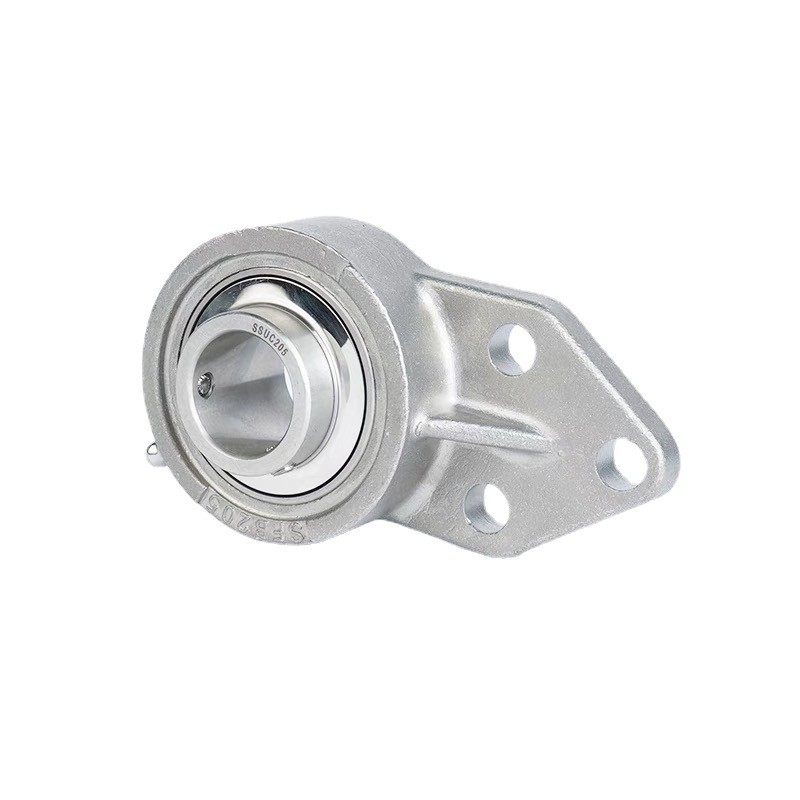
Resolution and Preventive Measures
Implementing Solutions
Once issues with special bearings are identified, it's crucial to implement effective solutions. Here’s a step-by-step guide to correct common problems:
1. Lubrication Optimization: Ensure that the correct type and amount of lubricant are used. If contamination is detected, replace the lubricant and clean the bearing surfaces thoroughly. Regularly check lubrication levels to prevent future issues.
2. Installation Correction: If misalignment or improper fit is found, re-install the bearings according to manufacturer specifications. Use alignment tools to ensure accuracy and avoid common mistakes, such as improper spacing or torque.
3. When to Replace Bearings: If wear is excessive or damage is evident, it may be time to replace the bearings. E-ASIA offers a comprehensive range of special bearings tailored for various applications. Selecting the right replacement involves considering factors like load capacity, speed ratings, and environmental conditions.
Replacement Considerations | Description |
Load Capacity | Ensure the new bearing meets or exceeds the original specifications. |
Speed Ratings | Match the speed requirements of the application to avoid premature failure. |
Environmental Conditions | Choose materials suited for the operating environment, such as corrosion-resistant options. |
Preventive Maintenance Strategies
To ensure the longevity of special bearings, regular monitoring and maintenance are essential. Here are some effective strategies:
● Regular Monitoring: Schedule consistent inspections to monitor the condition of bearings. This includes checking for unusual vibrations, noises, or temperature changes. Utilizing diagnostic tools can enhance the effectiveness of these checks.
● Recommended Maintenance Schedules: Set up a maintenance schedule that includes:
○ Monthly Inspections: Look for signs of wear, misalignment, or lubrication issues.
○ Quarterly Lubrication Checks: Verify that lubricants are clean and at the right levels.
○ Annual Comprehensive Reviews: Conduct thorough assessments, including vibration analysis and alignment checks.
● Best Practices for Extending Lifespan: Implement the following best practices to maximize the lifespan of special bearings:
○ Regular Checks on Lubrication: Ensure lubricants are clean and appropriate for the application.
○ Alignment Verification: Regularly check and adjust alignment to prevent undue stress on bearings.
○ Environmental Protection: Protect bearings from contaminants by using proper seals and covers, especially in harsh environments.
By adopting these resolution techniques and preventive measures, we can significantly enhance the performance and longevity of special bearings, reducing the likelihood of future vibration and noise issues.
Conclusion
Troubleshooting vibration and noise in special bearings is crucial for optimal performance. Addressing these issues ensures reliability and longevity.
Implementing preventive measures is essential for maintaining long-term functionality. Regular monitoring and proper maintenance can significantly reduce problems.
For tailored engineering support and solutions, contact E-ASIA today. We are here to help you with your special bearing needs.

 English


